תקציר מנהלים
Venezuela operates one of the most sophisticated sanctions-evasion ecosystems in the world, spanning both maritime and aviation domains. Through a combination of aging “dark fleet” tankers, state-owned PDVSA vessels, licensed Chevron-chartered ships, and a constellation of private and regime-linked aircraft, the Bolivarian government has built parallel logistics networks for oil exports and narcotics trafficking that operate largely outside international oversight. This investigation catalogs over 70 maritime vessels and 60+ aircraft identified through open-source intelligence by ODINT, classifying them by operational role and risk profile.
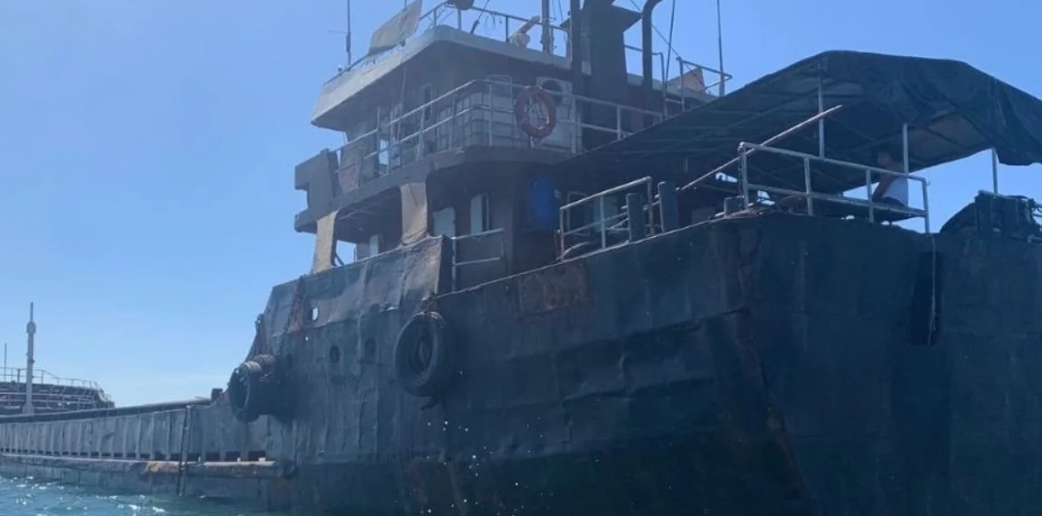
The Dark Fleet — Maritime עקיפת סנקציות
מהו הצי האפל…
"הצי האפל" (המכונה גם "צי הצללים" או "צי הרפאים") מתייחס לרשת עולמית של מכליות נפט מזדקנות המעבירות נפט גולמי ממדינות שהוטלו עליה סנקציות - בעיקר רוסיה, איראן, ונצואלה - תוך התחמקות מסגרות מעקב וביטוח בינלאומיות. לכלים אלה מאפיינים משותפים:
- טונה מיושן: רובם בני 15-25, הרבה מעבר לגיל המקובל על ידי זרם הביטוח והחברות המיון.
- בעלות אטומה: רשום באמצעות חברות מעטפת בתחומי שיפוט כמו איחוד האמירויות, סיישל, ליבריה והונג קונג.
- דגלי נוחות: רשום תחת גינאה, קומורו, פנמה, טוגו, קמרון, בוליביה ומקלטים רגולטוריים אחרים המספקים פיקוח מינימלי.
- אין ביטוח P&I מערבי: פועל ללא כיסוי ההגנה והשיפוי הנדרש על ידי הנמלים הגדולים והקבוצה הבינלאומית של מועדוני P&I.
צי הצללים התרחב בכ-45% בשנה שהסתיימה באמצע 2025, מונע בעיקר על ידי הסנקציות המדורגות ממלחמת רוסיה-אוקראינה. ההערכות מצביעות על כך ש-218 מכליות היו מעורבות בתנועות נפט גולמי הקשורות בוונצואלה בתקופה אחת של 12 חודשים, כאשר קרוב ל-80% הפגינו לפחות "פעילות אפלה" אחת. בהתחשב בהעברות ספינה לאונייה (STS), עד 10% מצי המכליות העולמי עשוי להיות קשור להובלת מטענים בוונצואלה.
מניפולציה של AIS ושיטות משלוח מטעות
כלי השיט שעוקבים אחריהם בחקירה זו נוקטים במספר רבדים של הטעיה אלקטרונית:
| טֶכנִיקָה | תֵאוּר | שיטת איתור |
|---|---|---|
| הולך לחושך | הצוות משבית ידנית משדר AIS, ויוצר פערי אותות | ניתוח פערים אלגוריתמי; תמונות SAR לווין |
| זיוף AIS | שידור קואורדינטות כוזבות להצבת כלי שיט דיגיטלי במים בטוחים תוך טעינה פיזית בטרמינלים המוגנים | הצלבת AIS עם תמונות לוויין (Sentinel-1, SAR מסחרי) |
| זיוף מעגלים | תוכנה אוטומטית יוצרת דפוסי אחיזה מעגליים מזויפים | זיהוי אנומליה גיאומטרית |
| מניפולציה של GNSS | קואורדינטות GPS מזויפות מוזנות למערכת המשדר של הספינה, ומאפשרות לה "לקפוץ" על פני אוקיינוסים | מתאם רב מקורות (Kpler, TankerTrackers, לוויין) |
| הלבנת זהות ("כלי זומבי") | מפעילים רוכשים מספרי מ.סי.סי מאוניות שנגרטו ומתכנתים אותם למכליות פעילות | הצלבת IMO עם גריטה של מסדי נתונים |
| החלפת דגלים | שינוי מהיר של רישום בין דגלי נוחות כדי לעלות על הרשימות השחורות הרגולטוריות | ניתוח תדירות שינוי מצב דגל |
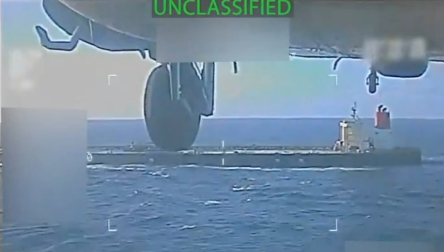
דוגמה בולטת: כאשר כוחות ארה"ב תפסו את ה-VLCC רַב חוֹבֵל מול חופי ונצואלה ב-10 בדצמבר 2025, משדר ה-AIS שלו שידר קואורדינטות שהציב אותו ליד גיאנה וסורינאם - 500 מיילים ימיים ממיקומו בפועל במסוף José בוונצואלה, שם צילומי לוויין אישרו שהוא טוען חומר גולמי שאושר עליו.
ODINT Vessel Catalog
כלי שיט עם סנקציות
הספינות הבאות זוהו באמצעות ניטור כפי שנקבעו על ידי אחד או יותר מ-OFAC (ארה"ב), OFSI (בריטניה), או האיחוד האירופי, ונצפו פועלות במימי ונצואלה או בסמוך להם:
| שם כלי השיט | IMO | MMSI | דֶגֶל | סנקציות | מודיעין מפתח |
|---|---|---|---|---|---|
| XANTHOS EOS | 9231212 | 306761000 | Curaçao/Panama | OFAC, האיחוד האירופי, בריטניה | הגיע לאמואי באמצע ספטמבר 2025; בעבר הובל גולמי רוסי; בבעלות Merluza Group Limited (הסנקציה בינואר 2025) |
| רוח טיטאן | 9412905 | — | — | Sanctions/OSINT listed | מעקב במסדרון המזרח התיכון-הקריבי; נראה לאחרונה ליד מימי איחוד האמירויות בספטמבר 2025 |
| גברת מאושרת | 9005479 | — | — | כיסוי סנקציות | Tracked in Mediterranean/Eastern routes; last AIS signal Sep 2025 |
| חסד 1 | 9116412 | — | — | סנקציות היסטוריות | הטנקר האיראני שעוכב על ידי גיברלטר ביולי 2019 בעודו נושא 2 מיליון חביות נפט גולמי לסוריה; הפך לסמל של אכיפת סנקציות |
| AMUAY SENTINEL | 9422210 | — | — | מעקב אחר ישויות תחת סנקציות וכינויי כיסוי | הגעה לחצי האי פרגוואנה ניתנת לביקורת; נראה לאחרונה בספטמבר 2025 |
| זקיף קרדון | 9422211 | — | — | אימות כפול לישויות תחת סנקציות | הגעה למתחם בית הזיקוק Cardón; נראה לאחרונה בספטמבר 2025 |
כלי שיט של הצי האפל (Unverified/ODINT-Tracked)
These vessels were identified through ODINT monitoring in Caribbean waters with behavioral anomalies consistent with dark fleet operations:
| שם כלי השיט | IMO | קָטֵגוֹרִיָה | מיקום אחרון ידוע | הערות מפתח |
|---|---|---|---|---|
| VERNAL (ALT) | 9232888 | צי אפל | 24.90°N, 56.30°W (אזור איחוד האמירויות) | Shadow fleet; UK/EU sanctions; alias tracking |
| KOALA (ALT) | 9230423 | צי אפל | 26.20°N, 55.80°W | צי הצללים; שינוי זהות 2025 |
| PHOENIX VOYAGER | 9245678 | צי אפל | 11.90°N, 66.50°W (הקריביים) | מבצעים קריביים במעקב מודיעין ממקורות גלויים |
| אודיסיי | 9234567 | צי אפל | 12.00°N, 70.90°W | פעילות צי האפל הקאריבי |
| מִירָאז | 9234568 | צי אפל | 11.50°N, 69.80°W | פעילות צי האפל הקאריבי |
| ORION | 9234569 | צי אפל | 12.20°N, 64.50°W | פעילות צי האפל הקאריבי |
| השמש הבלטית | 9302145 | צי אפל | 12.50°N, 60.80°W | רשום על ידי ארגונים לא ממשלתיים |
| הים הארקטי | 9302146 | צי אפל | 13.10°N, 57.00°W | רשום על ידי ארגונים לא ממשלתיים |
| שמים נורדיים | 9302147 | צי אפל | 14.20°N, 55.50°W | רשום על ידי ארגונים לא ממשלתיים |
| פנינה שחורה | 9302148 | צי אפל | 15.10°N, 53.20°W | רשום על ידי ארגונים לא ממשלתיים |
| יַם סוּף | 9302149 | צי אפל | 16.00°N, 51.10°W | רשום על ידי ארגונים לא ממשלתיים |
| בעלת ברית קובנית | 9309981 | צי אפל | 19.80°N, 75.80°W (קובה) | קובה אספקה מחדש באמצעות צי אפל |
| סוחר מפרץ | 9317782 | צי אפל | 20.00°N, 75.00°W | Venezuela–Cuba STS routes 2024/2025 |
הכלים הקשורים לקובה משמעותיים במיוחד. המשטר של ונצואלה משתמש ברשת חשאית של מכליות כדי לתחזק משלוחים גולמיים להוואנה, כאשר מכלית יחידה עם דגל קובה העוקבת אחריה נעה למעלה מ-300,000 חביות מוונצואלה בחודש אחד - העולה בהרבה על נתוני הייצוא הרשמיים.
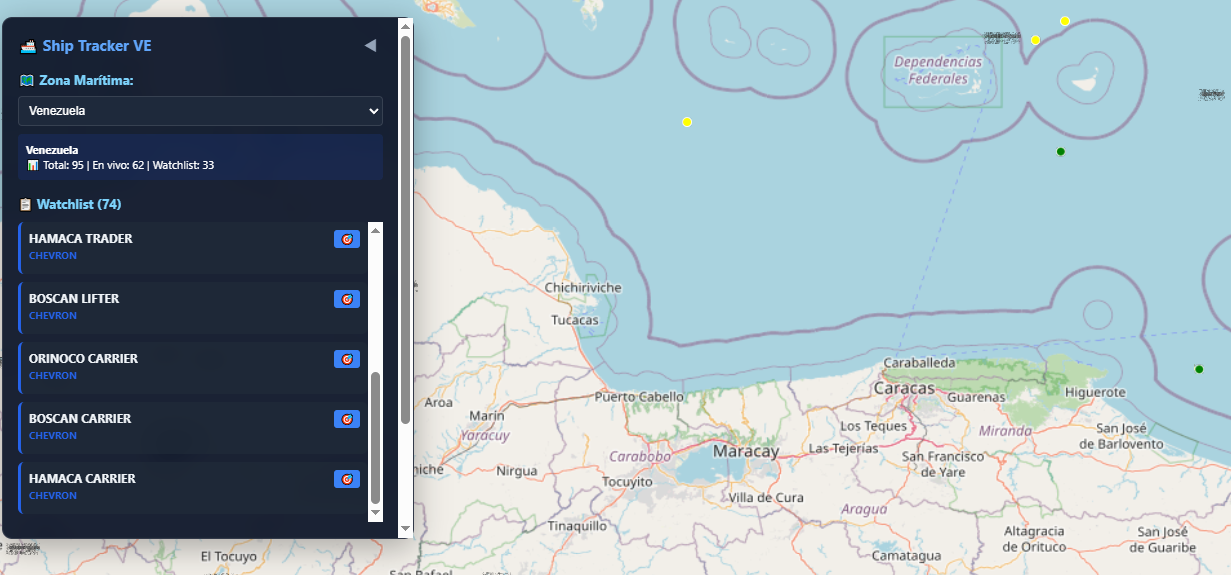
ODINT uses its own tools to track these vessels
PDVSA State Fleet
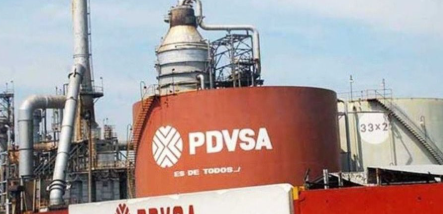
Venezuela’s state oil company PDVSA operates its own fleet of tankers through its subsidiary מרינה PDV, בתוספת ספינות בדגל זר תחת שכר בלעדי. ספינות אלו מעבירות נפט גולמי בין שמונת נמלי הנפט הגדולים של ונצואלה (José, Amuay, Cardón, Puerto La Cruz, El Palito, Bajo Grande ואחרים) ומטפלות בהעמסת יצוא:
| שם כלי השיט | IMO | Terminal/Region | נראה לאחרונה | הערות |
|---|---|---|---|---|
| קאראבו | 9524114 | Falcón/Zulia | — | PDVSA fleet; multiple port calls |
| TAMANACO | 9524102 | — | — | PDVSA fleet |
| נגרה היפוליטה | 9274356 | — | — | PDVSA fleet |
| CUMANÁ II | 9303153 | פוארטו לה קרוז | 3 בספטמבר 2025 | 10.46°N, 64.19°W |
| LLANOS | 9303101 | מערב ונצואלה | 4 בספטמבר 2025 | חלון ייצוא ספטמבר 2025; 10.70°N, 71.60°W |
| ANACO II | 9303127 | PLC – אל פאליטו | 3 בספטמבר 2025 | עלייה בפעילות בספטמבר 2025 |
| CARIPITO | 9303139 | מזרח ונצואלה | 2 בספטמבר 2025 | PDVSA Oriente |
| מפרץ פאריה | 9303164 | מזרח הקאריביים | 5 בספטמבר 2025 | אזור העברות STS |
| פוארטו מירנדה | 9303145 | מפרץ ונצואלה | 28 באפריל, 2025 | עיכובים בתור דווחו באפריל 2025 |
The full PDVSA fleet catalog includes dozens of additional vessels (PITIGUAO, MORICHAL, BOYACA, MARA, CATATUMBO, ZULIA, GUAJIRA, CUMAREBO, PUNTA CARDON, AMUAY BAY, SAN FELIX, ANZOATEGUI, ORINOCO, CARIBE, LA GUAIRA, PUERTO CABELLO, PUERTO SUCRE, LOS ROQUES, and others). Ten foreign-flagged vessels were found sailing exclusively between Venezuela’s eight oil ports on behalf of PDV Marina, most registered in Panama and Comoros by shipping companies from the UAE.
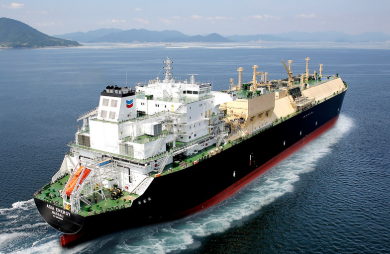
כלי שיט ברישיון שברון
בעקבות הרישיון האמריקני המוגבל שניתן לשברון ביולי 2025, צי של מכליות חידש את פעילותו במסופים של ונצואלה.
| שם כלי השיט | IMO | דֶגֶל | מודיעין מפתח |
|---|---|---|---|
| CANOPUS VOYAGER | 9452227 | איי בהאמה | הראשון להעמיס נפט כבד של חאמאקה ברישיון חדש, 12 באוגוסט 2025 במסוף חוסה |
| VOYAGER בים התיכון | 9411975 | איי בהאמה | נטען נפט כבד של Boscán בבאחו גרנדה, באוגוסט 2025 |
| CANOPUS VOYAGER II | 9452239 | — | חלון ב-Chevron באוגוסט-ספטמבר 2025 |
| מסע הים התיכון II | 9411987 | — | זרימת שברון אוגוסט 2025 |
| סוחר חמאקה | 9430021 | — | טוען רישיון גולמי של Hamaca לאחר רישיון |
| BOSCAN LIFTER | 9427765 | — | טוען Boscán גולמי לאחר רישיון |
| ORINOCO CARRIER | 9345670 | — | Chevron/PDVSA flows Aug–Sep 2025 |
ספינות נוספות שחכרו בשברון בצי המבצעי כוללות את BOSCAN CARRIER, HAMACA CARRIER, GEORGE T, SEA LION, AVON, HIGHLANDER, POINT FORTIN, NABUCCO, CARIBBEAN PIONEER, CEDAR, MONGOOSE, PEREGRINE, HARRIER, FALCON, ו-Continue. נתוני רויטרס ו-LSEG אישרו לפחות חמש ספינות שנוטות לעבר מימי ונצואלה בו-זמנית באוגוסט 2025, עם ספינות נוספות שנמצאות בארובה - מרכז משותף להעברות ספינה-לספינה של הנפט הגולמי של ונצואלה.
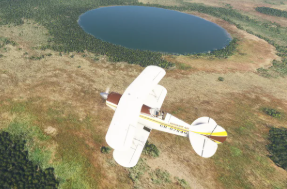
מטוסי הנרקו — תעופת ODINT
ונצואלה כמרכז נרקו-תעופה
ונצואלה שימשה זמן רב כמסדרון מעבר אווירי קריטי לקוקאין הקולומביאני הנוסע לכיוון צפון אמריקה, מרכז אמריקה והאיים הקריביים. מאז 2019, הכוחות המזוינים של ונצואלה השמידו רשמית לפחות 21 מטוסים בשטח המדינה - 12 שאושרו כרשומים בארה"ב. עד 2025, נתון זה טיפס לפחות 39 "מטוסי נרקו" מנוטרלים באותה שנה בלבד, על פי הצהרות רשמיות של צבא ונצואלה.
הקרטל דה לוס סולס מסייע במסדרון אווירי זה באמצעות רשת של קציני צבא מושחתים אשר מאשרים יציאות והגעות של מטוסים נושאי סמים, מנהלים כיסוי מכ"ם אווירי ליצירת "נקודות עיוורות" ושולטים על מסלולי טיסות חשאיים על פני אזורי גבול. הטייס של הגברת הראשונה לשעבר סיליה פלורס, יאזנקי לאמאס, הוסגר לארצות הברית בגלל שסיפק קודי תעבורה אוויריים שאפשרו למטוסי קוקאין להתחזות לטיסות מסחריות - הוא נקשר ל"מאות טיסות סמים".
מטוסי משטר ומדינה
The ODINT-tracked aircraft catalog reveals a complex hierarchy of state, regime, and private aviation assets:
צי מנהיגות נשיאותי ובכיר
| ICAO/Registration | תֵאוּר | מַשְׁמָעוּת |
|---|---|---|
| T7102X | מטוס מדורו חדש (תחליף למטוס שנתפס) | Acquired after the U.S. seized two Dassault Falcon jets linked to Maduro in 2024–2025. The original YV3016/YV3360 aircraft were seized in the Dominican Republic |
| YV2984 | מטוסי הנשיא והפמליה | רשום ברשימת ה-SDN של OFAC כנכס חסום של Conviasa מאז 2020 |
| YV1004 | מטוסי פמליה של המשטר | Conviasa SDN רשום |
| T777PR | PDVSA-purchased; Díaz-Canel Cuba flights | שימש להובלת נשיא קובה מיגל דיאז-קאנל |
| YV654T | "מתנה" ל-Díaz-Canel - Gulfstream G2 | מטוסי המשטר הועברו כמתנה דיפלומטית לקובה |
| YV3119 | מטוס המיוחס ל-Diosdado Cabello | קאבלו סומנה על ידי ארה"ב עם פרס של 25 מיליון דולר; כעת שר הפנים מפקח על פעולות נגד סמים |
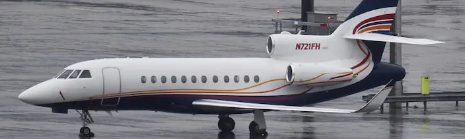
The seizure of Maduro’s aircraft represents a critical OSINT milestone. In September 2024, U.S. authorities seized a Dassault Falcon 900 described as “Venezuela’s Air Force One,” which had been purchased for $13 million through a shell company in violation of sanctions. In February 2025, Secretary Rubio personally oversaw the seizure of a second Dassault Falcon 2000EX (YV-3360) in Santo Domingo, which yielded intelligence including transponder data, flight manifests, and Venezuelan Air Force personnel records.
CONVIASA — The Sanctioned State Airline
CONVIASA (Consorcio Venezolano de Industrias Aeronáuticas y Servicios Aéreos) was designated under Executive Order 13884 in August 2019 and formally added to the SDN list in February 2020. The U.S. accused the airline of shuttling regime officials to North Korea, Cuba, and Iran. The OFAC listing includes 37+ aircraft: Airbus A319/A340, Boeing 737s, ATR42/72s, Embraer ERJ190s, Cessna 208 Grand Caravans, and DHC-7s.
מטוסים בולטים המקושרים ל-CONVIASA שנמצאו במעקב:
- YV3397: Ex-Conviasa, sanctioned; tracked to Isla Tortuga — a small Venezuelan island historically associated with clandestine operations
- ETR823/ETR8949H: מטוסי חברת Estelar עם התנהגות לא סדירה; חברת התעופה המקושרת למדינה מפעילה קווים של גיאנה
DGCIM Military Intelligence Aircraft
| הַרשָׁמָה | תֵאוּר | Route/Pattern |
|---|---|---|
| YV2770 | DGCIM (Directorate General of Military Counterintelligence) | טיסות מודיעין צבאי של המשטר |
| YV2707 | DGCIM | פעולות מודיעין צבאיות |
| YV2875 | DGCIM plant aircraft | נתיב בארינס - מדינת גבול עם קולומביה |
| YV3086 | צְבָאִי | שדה התעופה הצבאי לה קרלוטה לפורלאמאר (אי מרגריטה) |
| AMB0222 | צְבָאִי | שדה התעופה לה קרלוטה - מרכז התעופה הצבאי העיקרי של קרקס |
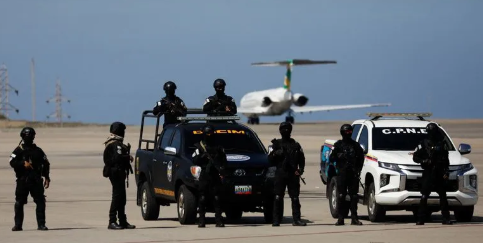
פמליה וצי VIP פוליטי
The ODINT data reveals a substantial fleet of private aircraft dedicated to regime VIP transport:
- YV3554, YV3399, YV3226, YV3218, YV3006, YV2630, YV3381, YV3562: מטוסי פמליה פוליטיים המשמשים לנסיעות משטר מקומי
- YV1794: שימוש במשטר בתדר גבוה
- YV2689: על פי הדיווחים מטוסי משטר בשימוש על ידי קימברלי דלגדו - דמות הקשורה פוליטית
- YV3173: מקושר ל אריסטובלו איסטוריז סיעה / Barquisimeto chavistas
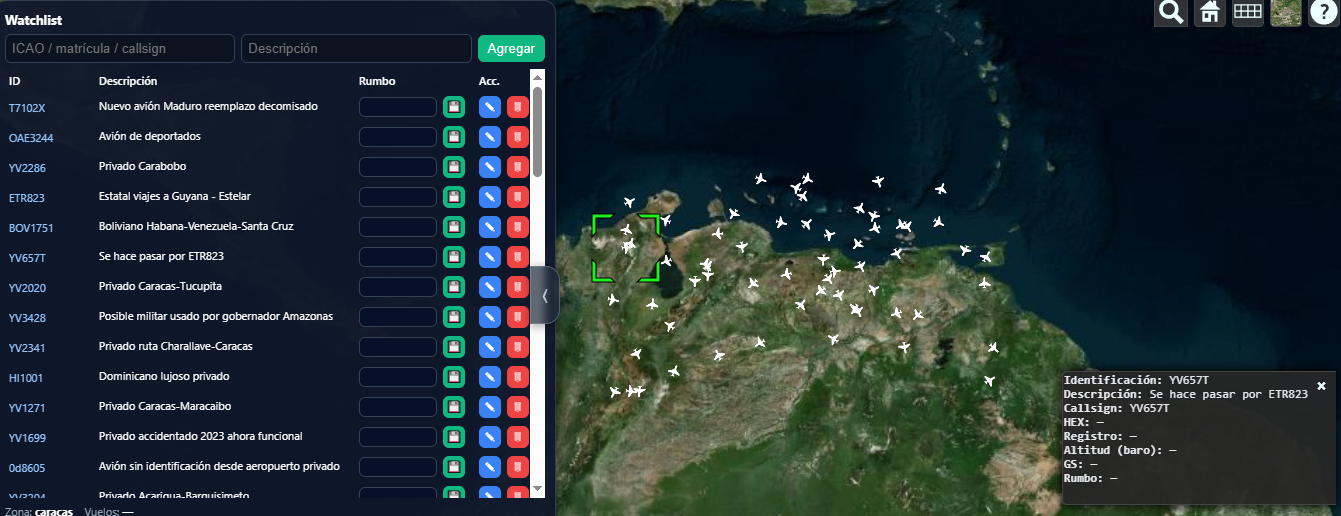
ODINT uses its own tools to track suspicious aircraft in Español (LatAm) America
כלי טיס מקושרים וחשודים בנרקו
סחר בסמים ומחווני הברחת זהב
| הַרשָׁמָה | תֵאוּר | הערכת סיכונים |
|---|---|---|
| YV3088 | Unknown — Guyana narco/gold route | אזור הגבול של גיאנה הוא מוקד של כרייה בלתי חוקית וחילופי זהב תמורת סמים |
| YV3457 | Unknown — Mexico narco/gold route | מסדרון מקסיקו להלבנת סמים וזהב |
| YV3025 | משטר - זהב, סיודאד גואיאנה | אזור מיצוי המינרלים CVG (Corporación Venezolana de Guayana). |
| YV0138 | קשור למינרלים CVG | מקושר לפעולות כרייה ממלכתיות במדינת בוליבר |
| YV3514 | נרקו בינלאומי; נכנע לצבא ארה"ב | המטוס היחיד בקטלוג עם מעורבות צבאית ארה"ב מאושרת |
| YV3379 | נתיב גואנרה - חשוד בנרקו | מדינת פורטוגזה - מסדרון העברת סמים ידוע מגבול קולומביה |
| YV3044 | מסלול נדיר לכיוון גואיאנה | דרום ונצואלה - אזור כרייה וסחר |
מטוסי רפאים ומניפולציה של זהות
| מזהה | תֵאוּר | OSINT Concern |
|---|---|---|
| 0d8605 | אין זיהוי - יציאה משדה התעופה הפרטי | קוד hex בלבד; ללא נתוני רישום - אטימות מרבית |
| e48cbd | מטוס ברזילאי - אין מידע | קוד משושה זר לא פתור הפועל במרחב האווירי של ונצואלה |
| 0d8487 | מחליט ל-YV654T - מטוס מתנה משטרתי | שכפול משוכפל המצביע על מניפולציה של משדר או הלבנת זהות |
| YV657T | מתחזה ל-ETR823 (Estelar) | זיוף משדר אקטיבי: מטוס פרטי המשדר זהות חברת תעופה כדי למנוע בדיקה |
| YV3089 | נדיר - אין קוד משומש | פועל ללא כל טביעת רגל דיגיטלית |
המקרה של YV657T המתחזה ל-ETR823 משקף את טקטיקת ה-AIS של זיוף ימי: מטוס פרטי המשדר את זהות טיסה מסחרית של Estelar Airlines כדי להסוות את טבעו האמיתי. טכניקה זו תועדה בתביעה של יאזנקי לאמאס, שם טייסי נרקו השתמשו בקודי תעבורה אוויריים כדי להתחזות לטיסות מסחריות.

מסלולים בינלאומיים לדאגה
| הַרשָׁמָה | מַסלוּל | מַשְׁמָעוּת |
|---|---|---|
| BOV1751 | הוואנה-ונצואלה-סנטה קרוז (בוליביה) | מסדרון נרקו תלת-לאומי המקשר בין אזורי ייצור קוקה בקובה, ונצואלה ובוליביה |
| OAE3244 | מטוס מגורש | תחבורה מקושרת לאיחוד האמירויות |
| HI1001 | הרפובליקה הדומיניקנית - פרטי יוקרתי | DR שימש מגרש היערכות לתפיסות מטוסי משטר |
| HI1045 | הרפובליקה הדומיניקנית - בשימוש על ידי גואידו | מטוסים הקשורים לאופוזיציה |
| YV2853 | EXC2853 - משטר, האנטילים הקטנים | מסלול דילוג לאיים דרך המזרח הקאריבי |
| YV3404 | טיסות קבועות לקובה | מסדרון אספקה חוזרת לקובה - משקף את נתיב הצי האפל של קובה הימי |
| YV2692 | משטר - טיסות ארה"ב-ונצואלה | נתיב ארה"ב-ונצואלה פעיל למרות הסנקציות |
| YV1106 | מסלול נדיר ארה"ב-ונצואלה | פעילות טיסות חריגה של ארה"ב-ונצואלה |
| YV147T | CCS פרטי – קוראסאו | קרקס לקורסאו - מרכז העברת כספים מחוץ לחוף ו-STS |
| AVA018 | מטוס מסחרי של Avianca המשמש את הפמליה | תעופה מסחרית מנוצלת להובלת VIP של המשטר (מקס: aace63) |
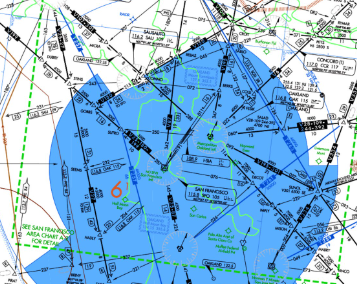
התכנסות - היכן שהצי האפל פוגש את מטוסי הנרקו
ה-Cartel de los Soles Nexus
הרשתות הימיות והתעופה המתועדות בחקירה זו אינן מערכות מקבילות - הן מרכיבים משולבים של אותו מנגנון ממלכתי-פלילי. ארה"ב ייעדה את הקרטל דה לוס סולס כארגון טרור זר בנובמבר 2025. אבל לא רק הקרטל השתמש במסדרון הזה; ממשלות שונות השתמשו בו גם כדי לנצל משאבים, כולל ארצות הברית:
- מסדרונות ימיים: קציני צבא מאשרים יציאות של ספינות, מנהלים את הגישה לנמל ומתאמים עם מפעילי צי אפל לייצוא נפט גולמי שאושר עליו.
- מסדרונות אוויר: אותם מבנים צבאיים מנהלים כיסוי מכ"ם, מנפיקים קודי תעבורה אוויריים ומפעילים מסלולי אוויר חשאיים כדי להקל על טיסות סמים.
- לוגיסטיקה משותפת: The Cuba-bound supply chain operates through both maritime (dark fleet tankers like CUBAN ALLY and GULF TRADER) and aviation (YV3404 constant Cuba flights, T777PR PDVSA-Cuba, YV654T Díaz-Canel aircraft) channels.
צמתים גיאוגרפיים מרכזיים
The ODINT data clusters around several critical nodes:
- חצי האי פרגוואנה (Amuay/Cardón): Venezuela’s largest refinery complex; arrival point for sanctioned tankers like XANTHOS EOS
- טרמינל חוסה (Anzoátegui): מסוף ייצוא גולמי ראשי; איפה ה רַב חוֹבֵל הוטען כאשר נתפס
- מפרץ ונצואלה / אגם Maracaibo: אזור יצוא נפט מערבי ומסדרון יירוט מטוסי נרקו
- חצי האי פאריה/הקריביים המזרחיים: אזור העברה STS עבור ספינות צי כהות
- ארובה / קוראסאו: אזור היערכות עבור העברות שברון STS ופעולות צי אפל
- סיודאד גואיאנה / מדינת בוליבר: אזור כריית זהב; מטוסים YV3025, YV3088, YV0138 פועלים כאן
- Cuba: יעד הן למיכליות נפט של צי האפל והן למטוסי משטר
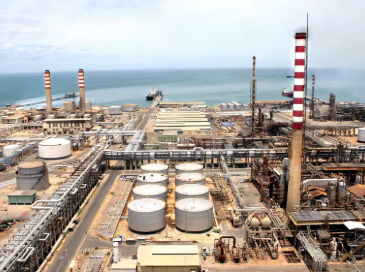
החיבור של איחוד האמירויות הערביות
דפוס שחוזר על עצמו גם ימי וגם תעופה: איחוד האמירויות הערביות משמשת כמקלט ארגוני העיקרי לתשתית התחמקות מסנקציות. Asia Charm Limited FTZ לבדה מפעילה 13 מכליות במימי ונצואלה, וחברות רבות אחרות מבוססות איחוד האמירויות (Kroeger Tankers, Julius Capital, Issa Shipping) מנהלות ספינות סנקציות או חמקנים. הסביבה הרגולטורית של איחוד האמירויות אפשרה את המשך הפעולות הללו למרות בדיקה בינלאומית.
מה ODINT חושפת
The ODINT data cataloged here reveals the industrial scale of Venezuela’s dual-use logistics network. Over 70 maritime vessels span the full spectrum from sanctioned dark fleet tankers to state-owned PDVSA ships to licensed Chevron operations, while 60+ aircraft range from presidential jets to unidentified ghost planes on narco-trafficking routes. The convergence point is the Venezuelan state itself—through the Cartel de los Soles, the same military command structure that manages oil port access also controls aerial radar and clandestine airstrips.
אבל היא גם חושפת ממשלות מכל הצדדים: רוסיה, איראן, ארצות הברית ואפילו איחוד האמירויות הערביות השתמשו וימשיכו להשתמש במסדרון הסחר כדי לנצל את עושרה של ונצואלה.
קמפיין האכיפה של ארה"ב - מתפיסת מכליות ועד ייעוד FTO - שיבש אך לא פירק את הרשתות הללו. הפריצה בינואר 2026 של 12 מכליות עמוסות במצב חשוך מוכיחה שהצי האפל מסתגל מהר יותר ממה שהאכיפה יכולה להמשיך. בינתיים, בצד התעופה, היכולת של המשטר לרכוש מטוסים חלופיים (T7102X לאחר תפיסות דאסו), לזייף זהויות משדרים (YV657T המתחזה ל-ETR823), ולשמור על טיסות קבועות בקובה (YV3404) מציעה מערכת המיועדת לחוסן מעל הכל.
הערת החוקר
This report is based entirely on open-source intelligence (OSINT). No classified information was accessed. No confidential sources were used. Everything documented here is publicly available — if you know where to look.