
הטנדרים הלא מסומנים
במרץ 2022, טנדרים לבנים לא מסומנים החלו להופיע לאורך הכביש המהיר קרקס-לה גואיירה, אחד הנתיבים האסטרטגיים ביותר של ונצואלה. אין לוגו של החברה. לא הוצגו אישורים. רק צוותים עובדים, חופרים תעלות ומניחים כבלי סיבים אופטיים.
When competitors tried to investigate, they found nothing — no public records, no CONATEL announcements. By the time anyone realized what was happening, 28 kilometers of underground fiber infrastructure had been installed, connecting Venezuela’s main airport, its largest seaport, and the capital city’s downtown in a network that would soon be described by its own founders as “the largest project introduced to CONATEL in recent years.”
פריסת סיבים סמויים לאורך מסדרון הכביש המהיר האסטרטגי ביותר של ונצואלה
החברה מאחורי הפריסה הסמויה הזו הייתה Telecomunicaciones G-Network, C.A., a fiber optic ISP founded in 2021 in Maiquetía, La Guaira state. But G-Network was never just another internet provider.
החקירה הזו חושפת כיצד G-Network הפכה לנקודת מפגש בין השאיפות האיראניות בתחום התקשורת, הידע הטכני הרוסי ומנגנון המודיעין של ונצואלה, ובפרט SEBIN, הידוע בהפעלת “לה טומבה”, מתקן עינויים תת-קרקעי שתועד בידי האו״ם.
המייסדים - מפעיל נמל, מהנדס ומתקן ממשלתי
פרנסיסקו דה ויטה: המלך הלוגיסטיקה
הסיפור מתחיל ב פרנסיסקו דה ויטה, הבעלים של GONAVI C.A. (Importadora y Transporte Gonavi), חברת לוגיסטיקה ואחסני מכס השולטת בצמתים קריטיים של תשתית היבוא של ונצואלה.
GONAVI פועלת:
- מחסן ערובה בשטח של 7,000 מ"ר מורשה על ידי SENIAT (רשות המס) בקאבו בלנקו, רק 2.5 ק"מ מנמל לה גוואירה
- מחסן מטענים אוויריים בשטח של 5,452 מ"ר בתוך נמל התעופה הבינלאומי סימון בוליבר במאיקטיה
- חברת בת במדריד, ספרד: Importadora y Transporte Gonavi S.L., נוסדה ב-2010
מחסני הערובה והלוגיסטיקה של GONAVI
הרקע של דה ויטה אסטרטגי באותה מידה. בין 2007 ל-2009 שימש כמנהל כללי של La Guaira Terminal Service C.A., מיזם משותף בין ענקית הספנות הדנית מארסק ובעל עניין מקומי בוונצואלה שפעל כמחסן מכס בתוך נמל לה גוואירה עצמו.
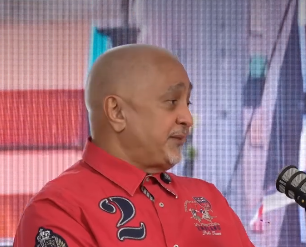
תפקידו הקודם של דה ויטה ב-La Guaira Terminal Service C.A.
במילים אחרות: דה ויטה שלט - ועדיין שולט - בגישה לשערי האוויר והים הראשיים של ונצואלה.
According to G-Network’s own podcast (G-Podcast, March 2025), it was De Vita who conceived the idea for the ISP. His businesses needed reliable internet. Traditional Venezuelan providers couldn’t deliver. So he decided to build his own network.
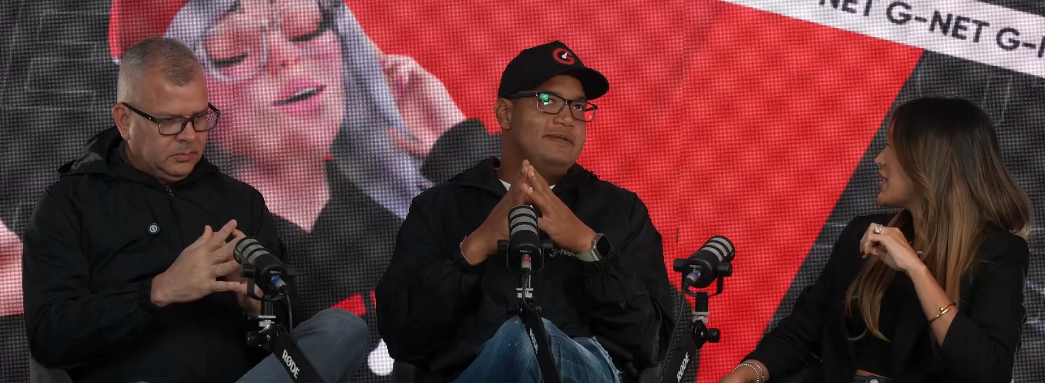
G-Podcast (מרץ 2025) - הנרטיב המכונן של דה ויטה
אדוארדו קסטילו: האדריכל הטכני
לְהַכנִיס אדוארדו קסטילו, מנכ"ל של ECH TELECOMUNICACIONES. קסטילו פגש את דה ויטה כאשר האחרון נזקק לעזרה בפתרון בעיות קישוריות בכל הפעילות הלוגיסטית שלו. "הבעיה עם העסקים שלו הייתה האינטרנט", נזכר קסטילו בפודקאסט.
במהלך האירוסין הזה נפגש קסטילו קרלוס לונגה, מנהל טלקום שעבד עבור COMPUCELH SYSTEMS CA. Longa הציע פתרון שאפתני: פריסת תשתית סיבים אופטיים לא רק עבור העסקים של דה ויטה, אלא עבור כל אזור לה גוואירה.
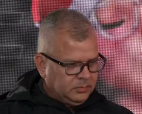
The founding trio behind G-Network’s formation
קרלוס לונגה: המפעיל
Longa became Chief Operating Officer (COO) of G-Network and serves as the technical contact registered with LACNIC (Español (LatAm) American and Caribbean Internet Addresses Registry) for ASN 272122. His LinkedIn profile identifies him as “Ejecutivo” at Telecomunicaciones G-Network since September 2021, based in Maiquetía, Vargas state.
But Longa’s most revealing statement came during the August 2021 CONATEL licensing ceremony, where he represented G-Network. According to coverage by לה ורדאד דה ורגאס, לונגה הכריזה שהחברה תתרום לממשלת לה גוארה על ידי "הפיכת הפלטפורמה שלנו לזמינה כדי לסייע להם בענייני אבטחה."
ענייני ביטחון. לא קישוריות. לא פיתוח כלכלי. בִּטָחוֹן.
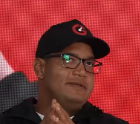
Longa’s statement at the CONATEL licensing ceremony, August 2021
המייסד הרביעי: המושל חוסה אלחנדרו טרן
אם דה ויטה, קסטילו ולונגה היו המייסדים התפעוליים, חוסה אלחנדרו טרן היה הסנדק הפוליטי.
נולד ב-7 בינואר 1980 בלה גוארה, Terán הוא עורך דין שסיים את לימודיו סיכום בהצטיינות מאוניברסידד סנטרל דה ונצואלה (UCV). מסלול הקריירה שלו נראה כמו תוכנית עבור נאמני צ'אביסטה:
- יועץ משפטי ללשכת הנשיא במהלך ניהולו של הוגו צ'אבס
- סגן שר הספורט
- ראש עיריית ורגאס
- מושל מדינת לה גוואירה (נבחר מחדש במאי 2025 עם 107,000 קולות מקואליציית גראן פולו פטריוטיו)
- חבר ב המנהלת הלאומית של PSUV (המפלגה הסוציאליסטית המאוחדת של ונצואלה), מונתה ישירות על ידי ניקולס מדורו
- כרגע רודף דוקטורט ב"הגנה אינטגרלית של האומה" באוניברסיטה הצבאית הבוליבריאנית (IAESEN)
In October 2022, Terán announced a formal agreement with G-Network to install 28 קילומטרים של כבל סיבים אופטיים מ-Caraballeda ל-Catia la Mar. הוא מסגרת אותו כחלק מ "תוכנית התקשורת שהגה הנשיא ניקולס מדורו" והבטיחו אינטרנט חינם ל-52 בתי ספר, בתי חולים, כיכרות ומסופי נוסעים.
זו הייתה מלאכת בימתית קלאסית של צ'אביסטה: חברה פרטית שמבצעת מטרות מדינה תחת מעטה הרווחה החברתית, המנוהלת על ידי מפעיל לוגיסטיקה בנמל עם גישה מועדפת לתשתית מכס.
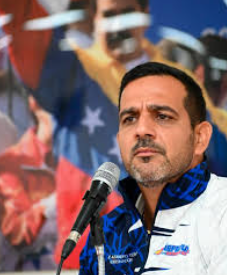
המושל טראן מכריז על הסכם פריסת סיבים אופטיים ל-28 ק"מ, אוקטובר 2022
הפריסה הסמויה
ארבעה חודשים לקבל רישיון
Deploying telecommunications infrastructure in Venezuela normally takes years. Layers of bureaucracy at CONATEL (the National Telecommunications Commission), environmental permits, municipal approvals, coordination with utilities.
G-Network got its license in ארבעה חודשים.
“The fiber optic project was introduced to CONATEL driven by Francisco de Vita, and we obtained permits in just 4 months,” Eduardo Castillo revealed in the March 2025 podcast. The speed was “unusual,” he admitted — but he didn’t elaborate on how it happened.
המשמעות הייתה ברורה: השפעה, לא פרוצדורה, הבטיחה את ההרשאה.
משאיות לא מסומנות והסתרה אסטרטגית
הפריסה עצמה הייתה חשאית בכוונה. בפודקאסט, קסטילו תיאר כיצד "השתמשנו בטנדרים לא מסומנים כדי לנצל את התקנת תשתית מבלי לאפשר לתחרות להשתתף."
זה לא היה עניין של יתרון בשוק. זה היה על התקנת עמוד שדרה קריטי לתקשורת לאורך אחד המסדרונות האסטרטגיים ביותר בוונצואלה ללא בדיקה ציבורית, פיקוח רגולטורי או הצעות תחרותיות.
היעד: הכביש המהיר קרקס-לה גוואירה.
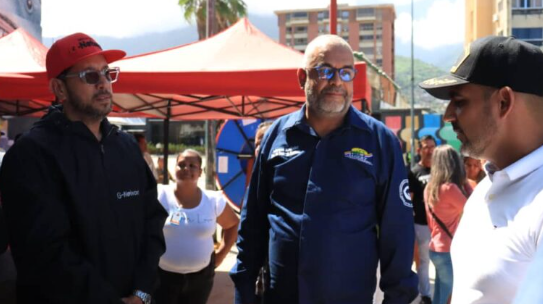
הכביש המהיר קרקס-לה גוארה - יעד פריסת סיבים אופטיים סמויים
"הדרכים שייכות להם"
As G-Network’s expansion accelerated, it hit resistance. Castillo recounted a pivotal moment: "הרחבנו כל כך הרבה שמישהו ממשרד - אני לא אגיד איזה - אמר לנו: 'אי אפשר להתקדם כי הדרכים הראשיות של קראקס שייכות להם'".
“Them.” The existing telecommunications oligopoly… The military… CANTV, the state-owned telecom… Castillo didn’t specify.
But the confrontation forced G-Network to go directly to ministerial authorities. “That led us to get involved with the ministry,” Castillo said. The result: approval to continue — but under strict conditions.
הכביש המהיר הנשיאותי
מסלול קראקס, הסביר קסטילו, לא היה תשתית רגילה. "פרויקט קראקס מעניין כי זה כביש מהיר ראשי, א כביש נשיאותי, a הכביש המהיר של המשרד, וזה רגיש בגלל ה דרישות אבטחה.”
Because of this sensitivity, aerial fiber deployment — the cheaper, faster method — was prohibited. G-Network was required to use סיבים תעלות, הטמנת כבלים מתחת לאדמה בעלות גבוהה משמעותית.
למה... קשה יותר לחבל בסיבים תעלות, קשה יותר להקיש ובלתי נראים. זו התשתית שבה אתה משתמש כשאתה לא רוצה שאף אחד יידע היכן עוברים הכבלים - או מה הם נושאים.
לונגה הוסיפה: "אנחנו ה- חברה רביעית שעולה במסלול קראקס-לה גוואירה שאורכו 17 ק"מ עם תעלות משלנו. התחלנו לקנות משרדים ובניינים”.
G-Network wasn’t just an ISP. It was acquiring real estate and digging into Venezuela’s most protected infrastructure corridor.
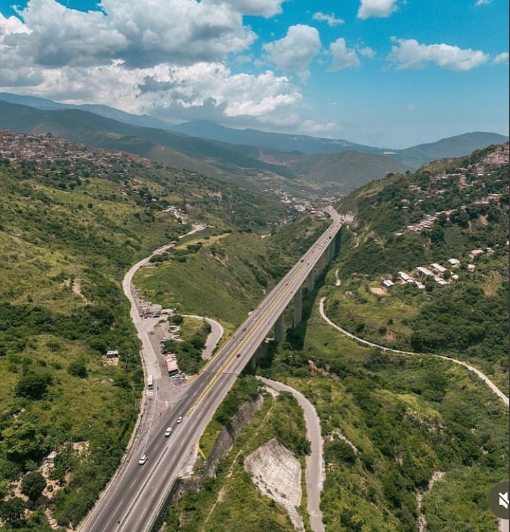
פריסת סיבים תעלות לאורך מסדרון הכביש המהיר הנשיאותי קראקס-לה גוואירה
היועץ הרוסי
ואדים סידורוב - מהנדס VoGTU
מבין 16+ העובדים שזוהו באמצעות מודיעין קוד פתוח, אחד בולט: ואדים סידורוב (Сидоров Вадим).
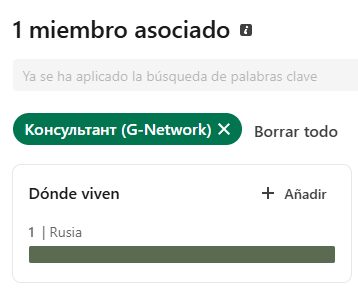
Vadim Sidorov — Russian consultant at Telecomunicaciones G-Network
His LinkedIn profile lists him as “Консультант” (Consultant) at Telecomunicaciones G-Network, C.A. His location: Maiquetía, Vargas, Venezuela. His alma mater: VoGTU - האוניברסיטה הטכנית הממלכתית של וולגוגרד (הידועה גם בשם VSTU), הממוקמת בוולגוגרד, רוסיה.
VoGTU היא אוניברסיטה גדולה להנדסה רוסית עם התמקדות חזקה בהנדסת תוכנה, טלקומוניקציה ומערכות תעשייתיות.
נוכחותו של יועץ טכני רוסי ב-ISP בוונצואלה עשויה להיראות בלתי ראויה בבידוד. אבל ההקשר חשוב.
שיתוף פעולה מודיעיני רוסיה-ונצואלה
בנובמבר 2025, רוסיה וונצואלה חתמו על הסכם שיתוף פעולה דו-צדדי (Gaceta N.6.930) הכולל במפורש שיתוף פעולה מודיעיני נגדי. מוסקבה התחייבה לספק לקראקס "ציוד משוכלל" לפעולות מודיעיניות.
חודש אחד קודם לכן, באוקטובר 2025, אישרה העצרת הלאומית של ונצואלה הסכם אסטרטגי מקיף עם רוסיה, המכסה אנרגיה, הגנה, טֶכנוֹלוֹגִיָה, והכלכלה.
It has been documented how the Venezuelan government, particularly through CANTV (the state telecom monopoly), has used טכנולוגיה רוסית ואיטלקית to monitor emails, keywords, and phone conversations of citizens. CANTV controls approximately 70% of Venezuela’s internet traffic.
Sidorov’s role at G-Network fits this pattern. Whether he’s providing technical guidance, systems architecture, or something more operational remains unclear from open sources. But his presence is no coincidence.
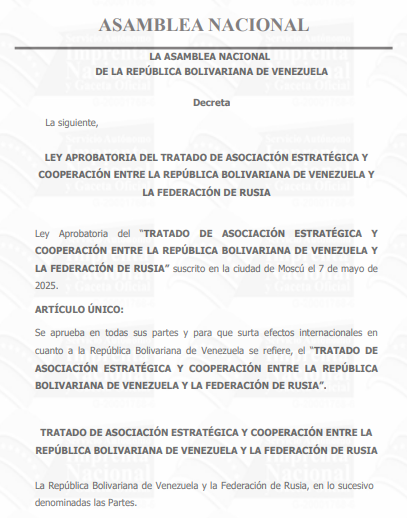
מסגרת שיתוף פעולה דו-צדדי בין רוסיה-ונצואלה - הסכמי מודיעין וטכנולוגיה
הקשר האיראני — Venefibra
הסכם פיטלבן (ספטמבר 2024)
השותפות הבינלאומית הבולטת ביותר המערבת את מערכת הטלקום של לה גואירה החלה בספטמבר 2024 ב- יריד התקשורת הבינלאומי השני (Fitelven), שנערך בקראקס.
באירוע זה נחתמו מכתבי כוונות בין:
- MDC (Modern Data Centers / Centro de Datos Modernos Novin) - חברת טכנולוגיה איראנית
- CANTV - הטלקום הממלכתי של ונצואלה
- קורפוסטל - תאגיד התקשורת הממלכתי
- ממשלת לה גוארה - מיוצג על ידי המושל טרן
נוכח בחתימה:
- עלי קיאנפור, President of MDC
- מייג'ור גנרל חורחה מרקס, סגן נשיא לעבודות ציבוריות ושירותים, נשיא קורפוסטל
- האלוף ג'סוס אלדנה, President of CANTV
- חוסה אלחנדרו טרן, מושל לה גוארה
- עלי צ'ג'יני, שגריר איראן בוונצואלה (נכון לשנת 2025)
המטרה המוצהרת: להקים א מפעל לייצור כבלים סיבים אופטיים in La Guaira. This is a partnership they are trying to hide — as evidenced by the MYNCIT webpage — but the ODINT team recovered images of the telecommunications fair where José Alejandro Terán is at the center of the agreement.
יריד התקשורת הבינלאומי השני (Fitelven), ספטמבר 2024
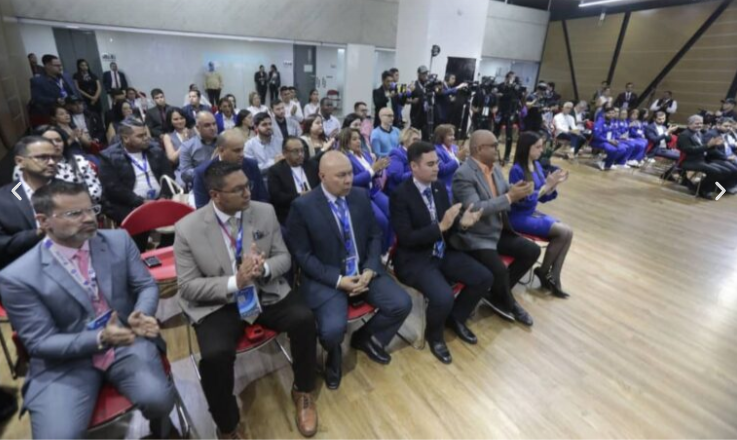
חתימת מכתבי כוונות בין מפלגות איראניות לוונצואלה
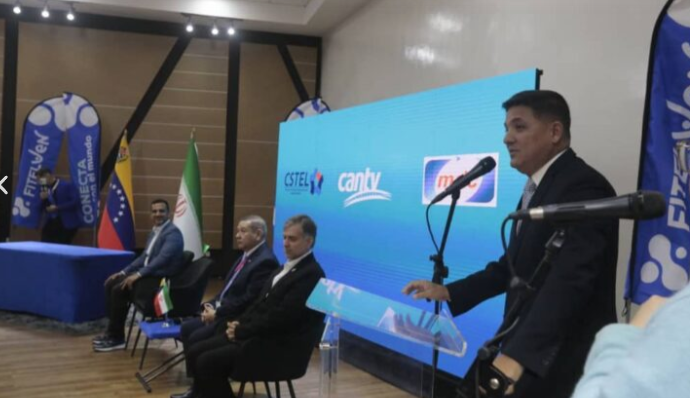
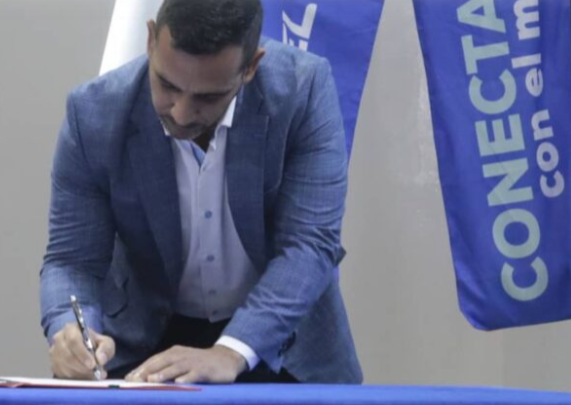
ODINT-recovered images showing Terán at the center of the Iran-Venezuela fiber optic agreement
ההסכם הבילטרלי (אוקטובר-נובמבר 2024)
באוקטובר 2024, בשולי פסגת ה-BRICS ברוסיה, נפגש הנשיא ניקולס מדורו עם נשיא איראן מסעוד פז'קיאן כדי לבדוק הסכמים דו-צדדיים. פרויקט הסיבים האופטיים היה גבוה על סדר היום.
בנובמבר 2024 נסגר ההסכם. אמר סאטאר השמי, שר המידע והתקשורת של איראן, ביקר בוונצואלה לצד שגריר איראן הוג'אטולה סולטאני. הם חתמו על המסגרת הרשמית עם טרן ובכירים בוונצואלה.
The factory would be installed in the former Almacenadora Caracas facility in Catia la Mar — less than 5 km from G-Network’s headquarters.
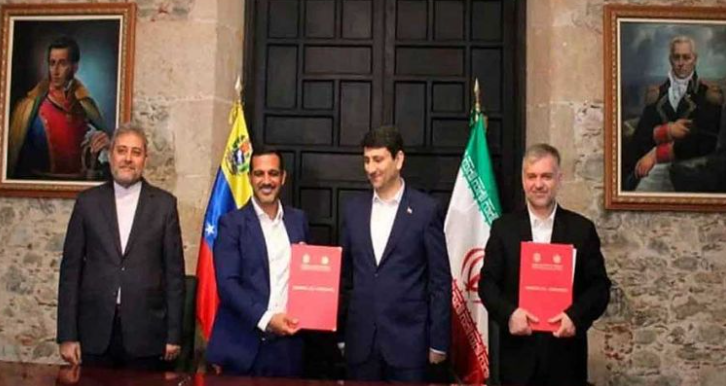
פורמליזציה של הסכם ייצור סיבים אופטיים איראן-ונצואלה
הגעת הציוד (יולי 2025)
ביולי 2025, הראשון מבין ארבעה פסי ייצור הגיע ל נמל לה גוואירה - אותו נמל שבו GONAVI של פרנסיסקו דה ויטה מפעיל את המחסן הערובה שלו.
המיזם המשותף קיבל את שמו באופן רשמי Venefibra, ברית משולשת בין:
- CANTV (Venezuelan state)
- MDC (חברה איראנית פרטית)
- ממשלת לה גוארה (ממשלה אזורית)
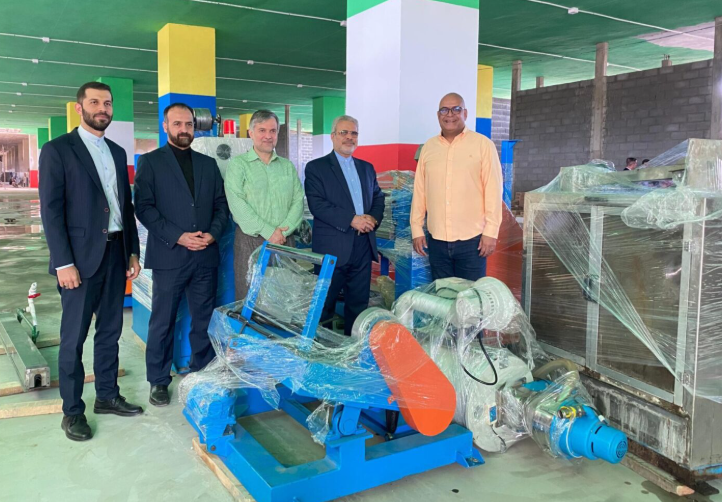
ציוד הייצור של Venefibra מגיע לנמל לה גואירה, יולי 2025
השקה מבצעית (אוגוסט 2025)
עד אוגוסט 2025, השר האשמי אישר שהמפעל היה מִבצָעִי, בהשקעה של 10 מיליון דולר. המפעל ייצר כבלים סיבים אופטיים, עם יכולת צפויה להעסיק 150 עובדים ולשרת לא רק את ונצואלה אלא להפוך ל- מרכז יצוא אזורי לאמריקה הלטינית.
האשמי אמר: "מפעלי ידע מבוססי איראן פעלו בתשתית התקשורת של ונצואלה".
נובמבר 2025: אישור רשמי
In November 2025, Venezuela officially approved the joint venture between the La Guaira Special Economic Zone and MDC, cementing the Iran-Venezuela fiber optic partnership as permanent infrastructure.
השלכות אסטרטגיות
אמירוסין מירבאדי, ראש מרכז האינטראקציות הבינלאומי של סגן הנשיאות של איראן למדע, ניסח את הממד הגיאופוליטי:
"עם חנוכת המפעל הזה, חברות מבוססות ידע איראניות הקימו נוכחות באזור המתואר לעתים קרובות כ- החצר האחורית של ארצות הברית.”
זה לא היה רק על סיבים. זה היה על הקרנה.
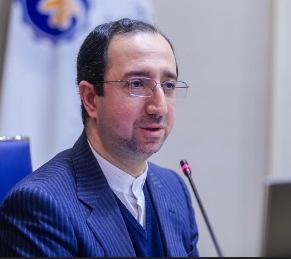
דריסת הרגל האסטרטגית של איראן בתחום התקשורת באמריקה הלטינית
איראן גם חתמה על הסכמים עם עומאן להקמת א מסדרון נתונים ואינטרנט חיבור רוסיה ומרכז אסיה דרך איראן למפרץ הפרסי, הודו ומזרח אפריקה - עם קיבולת ראשונית של 4.5 טרה-ביט לשנייה.
המשמעות: תשתית הטלקומוניקציה של ונצואלה יכולה להשתלב במסדרון דיגיטלי לא מערבי, נשלט סמכותי, המשתרע על פני שלוש יבשות.
ODINT Found the Critical Proof — The SEBIN Server
כתובת IP 38.61.255.205
In February 2026, a routine scan from the ODINT team of G-Network’s address space revealed something unexpected.
בתוך הבלוק 38.61.128.0/17 — registered to Telecomunicaciones G-Network under ARIN OrgID TGC-66 — a single IP address was running an active web application: 38.61.255.205:5000.
סריקת Nmap גילתה:
- 985 יציאות TCP סָגוּר (החזרת מנות RST)
- 14 יציאות TCP מְסוּנָן (חסום על ידי חומת אש)
- יציאה 5000: לִפְתוֹחַ, running a Flask/Python web application (Werkzeug 3.1.3, Python 3.13.5)
האפליקציה הציגה פורטל התחברות עם הכותרת "סייון ראשוני" (התחבר) בספרדית. תגובות HTTP כללו קובצי Cookie של הפעלה והפניה מחדש אל /login…next=%2F.
השרת הוגדר לשרת משאבים סטטיים באמצעות cdn.jsdelivr.net (CDN ציבורי בהנחיית Fastly, ASN 54113). אישור ה-SSL הונפק על ידי GlobalSign, בתוקף מ-2 ביוני 2025 עד 4 ביולי 2026.
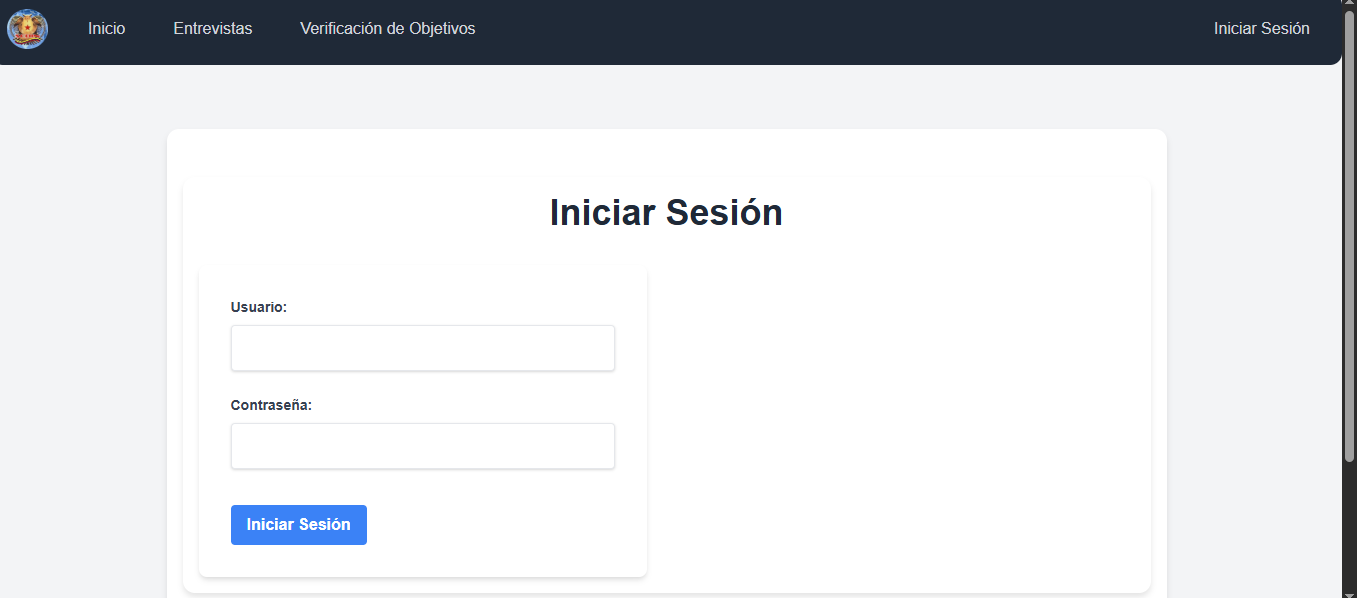
Login portal discovered on G-Network IP 38.61.255.205:5000 — “Iniciar Sesión”
WHOIS וניתוח רשתות
שאילתת WHOIS אישרה שה-IP שייך ל:
- אִרגוּן: TELECOMUNICACIONES G-NETWORK, C.A. (TGC-66)
- כְּתוֹבֶת: Edif Belenus 3000, La Guaira, ונצואלה
- טֵלֵפוֹן: +58 0212 771 4341 / +58 242 289 6625
- איש קשר טכני: [email protected]
- איש קשר לרעה: [email protected]
ה-IP יושב בתוך פוטנציאל /22 CIDR block (38.61.252.0/22), suggesting a cluster of connected devices within G-Network’s infrastructure.
אתרים באירוח משותף
Two other sites were found running on G-Network infrastructure:
- gylsafe.com — IP 38.45.36.86 (within G-Network’s 38.45.32.0/21 block)
- movilpayve.com — also on G-Network infrastructure, approximately 2 months old, currently under construction


Co-hosted sites discovered on G-Network address space
טביעת אצבע טכנית חשפה חפיפות משמעותיות בתצורת מחסנית, דפוסי פריסה וכותרות אבטחה בין אתרים אלה לבין 38.61.255.205.
מאגר הנתונים של ODINT
Following ODINT’s investigation into Venezuela’s critical state and telecommunications infrastructure, we were able to obtain important databases linking different actors in Venezuelan and international geopolitics. What is observed in this report is only the tip of the iceberg of how profound the information obtained by ODINT really is. This information is distributed to analysts, independent researchers, journalists, and competent authorities.
יוצר התחום: הבלש חוויאר אוצ'ואה
חקירה של הדומיין המאוחסן בתאריך 38.61.255.205 העלתה שהוא נוצר על ידי הבלש חוויאר אוצ'ואה, חבר פעיל ב SEBIN (Servicio Bolivariano de Intelligencia Nacional - שירות הביון הלאומי הבוליברי).
אוצ'ואה אינו דמות משנית.

Detective Javier Ochoa — SEBIN officer linked to the G-Network domain
רשימת העינויים
17 אנשי SEBIN המואשמים בהפרות זכויות אדם
הבלש חוויאר אוצ'ואה מופיע ברשימה של 17 SEBIN officers זוהה בפומבי על ידי ארגוני החברה האזרחית של ונצואלה ותקשורת עצמאית כמבצעי עינויים, מעצר שרירותי ואלימות מחוץ למשפט נגד אסירים פוליטיים.
הרשימה כוללת:
| # | שֵׁם | דרגה / יחידה | תעודה מזהה / מיקום |
|---|---|---|---|
| 1 | ז'סוס אלברטו גרסיה הרננדס | אַלוּף מנהל מודיעין נגד | SEBIN leadership |
| 2 | אנחל פלורס | מנהל חקירות ואסטרטגיה | SEBIN leadership |
| 3 | רוברטו אנטוניו ברכו קוי | הנציב הכללי מנהל פעולות מיידיות | CI: V-8,693,269, Charallave |
| 4 | נואל פאררס גולינדנו | מְפַקֵחַ | CI: V-17,610,669, Guatire |
| 5 | ג'אהיר מיגל בטנקור רומרו | מפקח ראשי | CI: V-18,002,296, אל טיגרה |
| 6 | יורלנד אדוארדו דלגאדו הרננדס | מְפַקֵחַ | CI: V-13,148,854, סבוקאן, מירנדה |
| 7 | קלווין חוסה וירג'אז פארה | מְפַקֵחַ | CI: V-18,536,281, אל טיגרה |
| 8 | לואיס קולמנרס | בַּלָשׁ | — |
| 9 | ג'וניור מרקינה | — | — |
| 10 | חוויאר אוצ'ואה | בַּלָשׁ | G-Network domain creator |
| 11 | Deivi José Sánchez Toro | בַּלָשׁ | CI: V-20,467,406, סנטה תרזה דל טוי |
| 12 | ג'ון רודריגז | בַּלָשׁ | — |
| 13 | ישמר גריבת הרדיה מורנו | בַּלָשׁ | CI: V-20,158,948, El Recreo, קראקס |
| 14 | אליזבת לוסנה | בַּלָשׁ | — |
| 15 | חוסה מיגל אוקנטו חימנס | בַּלָשׁ | CI: V-19,881,418, Catia, קראקס |
| 16 | Rubén Darío Carrillo Torrealba | מפקח ראשון (מומחה לחומרי נפץ) | CI: V-19,172,822, פורטוגזה |
| 17 | חוסה מוטה | בלש (טכנאי חומרי נפץ) | — |
משימת בדיקת העובדות של האו"ם
בספטמבר 2020, ה משלחת גילוי עובדות בינלאומית עצמאית של האו"ם על הרפובליקה הבוליברית של ונצואלה published a report documenting systematic human rights violations by Venezuelan security forces, including SEBIN.
ממצאים מרכזיים:
- 33 מקרים מתועדים of arbitrary detention and/or torture by SEBIN for political reasons
- 10 שיטות עינויים זוהו: מכות קשות, חנק בחומרים רעילים (כולל גז פלפל וגז מדמיע), מכות חשמל (כולל לאיברי המין), מצבי לחץ (הידועים כ"התמנון" ו"צליבה"), אלימות מינית (7 מקרים), וכן עינויים לבנים (מחסור חושי ממושך ובידוד)
- עינויים שימשו להוצאת הודאות, להשגת מידע ולהענשת מי שנתפסו כאופוזיציה פוליטית
- SEBIN officers identified by name: גוסטבו גונזלס לופז (SEBIN Director), Carlos Calderón Chirinos, Hannover Guerrero Mijares
- הדוח הגיע למסקנה כי מעשים אלה מהווים פשעים נגד האנושות, עם מעורבות ישירה של הנשיא ניקולס מדורו ודיוסדדו קאבלו (סגן הנשיא הראשון של PSUV)
- לְפָחוֹת 2 הרוגים במעצר: פרננדו אלבן (2018, ההגנה שלטה בהתאבדות) ורודולפו גונזלס
גונזלס לופז אינו צירוף מקרים
The connection between Venezuela, Iran, and the SEBIN does not end there. After what happened on January 3, 2026, with Maduro’s capture by the US government, Delcy Rodríguez appointed General גוסטבו גונזלס לופז as commander of the Presidential Guard of Honor (Military House) and head of the General Directorate of Military Counterintelligence (DGCIM). He replaced Javier Marcano Tábata and Iván Hernández Dala.
González López, formerly director of SEBIN (2019–2024) and Minister of the Interior and Justice (2015–2016), is recognized for his career in intelligence. But the key is here: during his time at SEBIN, when the agreements with Iran were signed, González López was the one who protected and helped the IRGC within Venezuela.
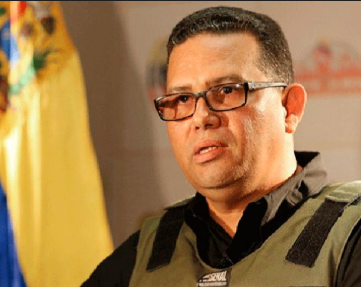
González López — the SEBIN-IRGC connection
לה טומבה — מתקן העינויים התת-קרקעי
SEBIN’s headquarters in Plaza Venezuela, Caracas, houses a notorious underground detention facility known as "לה טומבה" ("הקבר").
המתקן מורכב מ חמש קומות מתחת לפני הקרקע, עם תאים בגודל של כ-2×3 מטרים, מצוידים במצלמות ומיקרופונים קבועים, ללא אור טבעי, ומשמשים לבידוד ממושך.
הוועדה הבין-אמריקנית לזכויות אדם (IACHR/CIDH) פרסמה Resolution 6/2015 התייחס במיוחד לתנאים בלה טומבה, וקורא לוונצואלה להפסיק להשתמש בה כאתר מעצר ולהבטיח יחס אנושי לעצירים.
עדויות של עצורים לשעבר מתארים עינויים לבנים: תאורה מתמדת או חושך מוחלט, מניפולציות בטמפרטורה, מניעת מזון, איסור על ביקורי משפחות וחודשי בידוד שנועדו לשבור התנגדות פסיכולוגית מבלי להשאיר סימנים פיזיים.
רדיוס 400 מטר
התכנסות גיאוגרפית
The coordinates of G-Network’s infrastructure in Caracas are 200-500 מטר from the SEBIN website’s hosting location.
הם גם נמצאים בטווח של כ-400 מטר ממטה SEBIN בפלאסה ונצואלה, שבו פועל לה טומבה.
This proximity is not coincidental. Trenched fiber along the Caracas-La Guaira route would necessarily pass near or through SEBIN-controlled areas. The “security requirements” Eduardo Castillo mentioned in the podcast likely included coordination with SEBIN itself.
The infrastructure G-Network deployed doesn’t just serve commercial customers. It’s physically integrated into Venezuela’s most sensitive security perimeter.
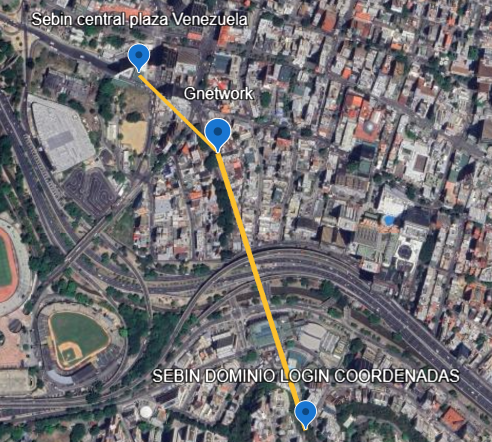
Geographic convergence — G-Network fiber infrastructure within 400 meters of SEBIN headquarters
אחסון יישום האינטרנט של קצין SEBIN
The discovery that G-Network hosts a login portal created by Detective Javier Ochoa — a SEBIN officer named on torture lists — transforms the relationship from proximity to אינטגרציה מבצעית.
This isn’t about a customer renting server space. This is a SEBIN operative using G-Network infrastructure to deploy operational systems.
מהי האפליקציה... למי יש גישה... אילו נתונים היא מעבדת...
These questions cannot be answered from external scanning, but ODINT may have the answer in the near future with the amount of documents collected in our investigations of Venezuela.
מנגנון הצנזורה
ינואר 2025 - הפיצוץ
בינואר 2025, כשונצואלה התמודדה עם מחאות מחודשות בעקבות הבחירות השנויות במחלוקת לנשיאות, משטר מדורו הפעיל צנזורה אינטרנטית מקיפה.
?????? (????? 2025)
- מֶשֶׁך: לפחות 10 לילות רצופים
- תַבְנִית: בלוקים מופעלים בין 23:00 ל-12:00
- ספקי אינטרנט מעורבים: CANTV, Movistar, Digitel, Inter, Supercable, Vnet, Airtek, G-Network
- שִׁיטָה: חטיפת DNS וחסימת IP
????? (11 ?????? 2025)
- G-Network הרים את החסימה ב-6:30 בבוקר, אחד הספקים האחרונים לשחזר גישה
- משך החסימה: מספר ימים
- משמש למניעת תיאום הפגנות
??? Tor (??????)
- CANTV and G-Network ניסיון להגביל את הגישה לרשת האנונימיות Tor
- מיקוד ברשויות הספרייה של Tor
- דפדפן Tor עם גשרים נשאר פעיל חלקית
שרתי DNS ציבוריים (40+)
- DNS ציבורי של Google: 8.8.8.8, 8.8.4.4
- Cloudflare DNS: 1.1.1.1, 1.0.0.1
- Quad9, OpenDNS ואחרים
- מטרה: לאלץ משתמשים להשתמש ב-DNS הנשלט על ידי ספק שירותי האינטרנט, מה שמאפשר סינון ומעקב אחר תוכן
שירותי VPN (21+)
- ספקי VPN מסחריים חסמו או נחסמו
- Protocols: OpenVPN, WireGuard, IPSec
- מטרה: ביטול כלי עקיפת
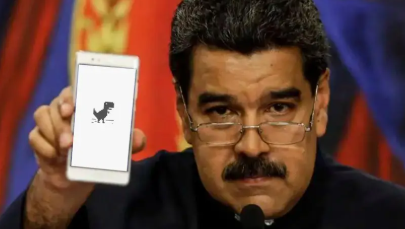
Documented censorship operations involving G-Network and other Venezuelan ISPs
הוראות CONATEL
כל הבלוקים יושמו תחת הנחיות מ CONATEL, רגולטור התקשורת של ונצואלה, הפועל תחת המשרד לכוח העם למדע וטכנולוגיה.
CONATEL does not publish block orders publicly. ISPs receive confidential administrative instructions, often transmitted via encrypted channels or in-person meetings, which they are legally required to implement within hours.
Carlos Longa’s August 2021 statement — that G-Network would make its platform available to assist the government “with security matters” — was not rhetorical. It was operational doctrine.
השכבה הסינית — CEIEC ו-CANTV
חומת האש הגדולה של ונצואלה
To understand G-Network’s role, one must understand the broader ecosystem in which it operates. At the top of that ecosystem is CANTV (Compañía Anónima Nacional Teléfonos de Venezuela), מונופול התקשורת בבעלות המדינה השולט בכ 70% מתעבורת האינטרנט של ונצואלה.
In נובמבר 2020, המשרד לבקרת נכסים זרים של משרד האוצר האמריקאי (OFAC) הטיל סנקציות על מיזם בבעלות ממשלתית סינית: CEIEC (תאגיד ייבוא ויצוא אלקטרוניקה לאומי של סין).
הייעוד של OFAC קבע:
“CEIEC has provided Venezuela with technology, technical support, and services that help the Maduro regime restrict internet service and conduct digital surveillance and cyber operations against political opponents.”
According to the designation, CEIEC provided CANTV with software and hardware described as "גרסה ממוסחרת של חומת האש הגדולה של סין" - תשתית הצנזורה והמעקב המתוחכמת העומדת בבסיס שליטתה של המפלגה הקומוניסטית הסינית באינטרנט בסין.
טכנולוגיה זו מאפשרת:
- בדיקת מנות עמוקה (DPI) - ניתוח התוכן של תעבורת האינטרנט בזמן אמת
- סינון מילות מפתח - חסימה או סימון של תקשורת המכילה תנאים ספציפיים
- עיצוב תנועה - חסימה או חסימה של פרוטוקולים, אפליקציות או אתרים ספציפיים
- איסוף מטא נתונים - רישום מי מתקשר עם מי, מתי ודרך איזו פלטפורמה
The recent ODINT “Crystal Vault” drop demonstrated how this infrastructure is working right now.
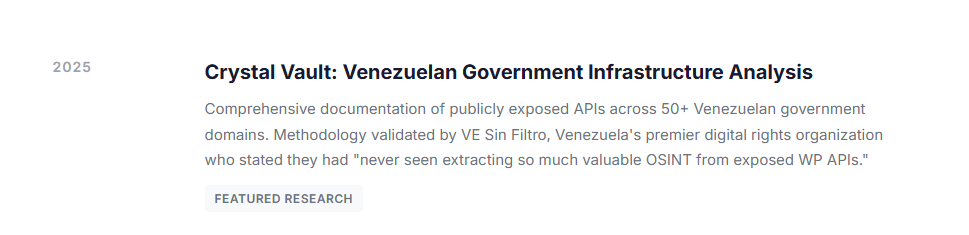
Chinese surveillance technology ecosystem deployed through CANTV
היררכיית המערכת האקולוגית
ארכיטקטורת הצנזורה והמעקב באינטרנט בוונצואלה פועלת בשכבות:
- CEIEC (China) — provides core technology and training to CANTV
- CANTV (State) - מיישמת סינון, מעקב ואיסוף נתונים בפריסה ארצית
- CONATEL (Regulator) - מוציא צווי חסימה ומתאם אכיפה
- Private ISPs (including G-Network) - לבצע בלוקים בקצה, המשמשים כצמתי אכיפה של הקילומטר האחרון
G-Network, as an ASN with its own routing and peering, has the technical capability to implement independent filtering. But in Venezuela’s centralized telecommunications regime, “independent” means nothing. All ISPs operate under CONATEL’s authority.
G-Network’s participation in censorship is not optional. It’s a condition of its license.
But the company’s relationship with SEBIN suggests something beyond passive compliance.
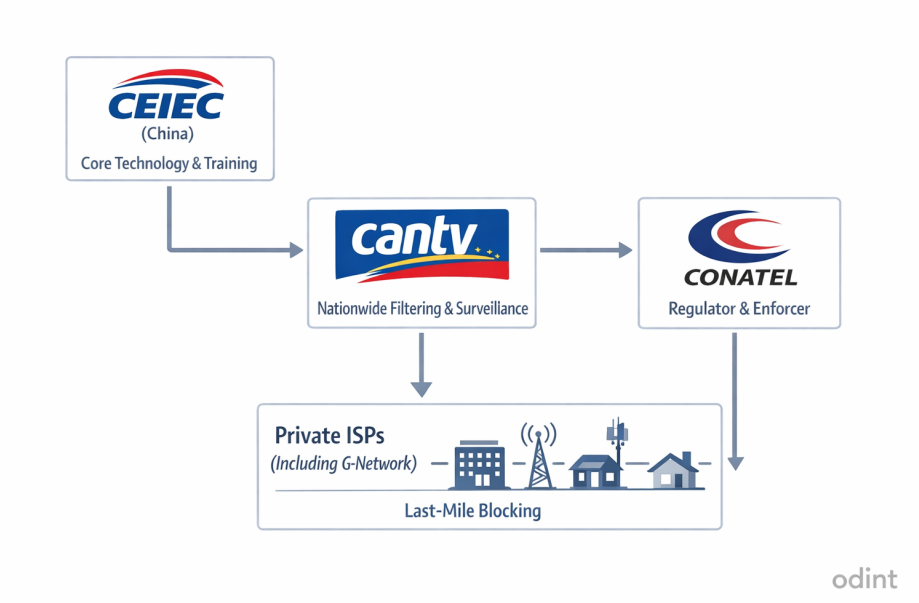
ארכיטקטורת הצנזורה והמעקב המרובדת - מסין ועד למייל האחרון
ההתכנסות המרובעת
ארבעה שחקנים, תשתית אחת
The investigation reveals a telecommunications infrastructure in La Guaira — centered on G-Network but extending to CANTV, Venefibra, and regional government — that serves as a צומת התכנסות עבור ארבעה שחקנים אוטוריטריים:
1. China (CEIEC)
- תַפְקִיד: Surveillance technology provider to CANTV
- טֶכנוֹלוֹגִיָה: נגזרת חומת אש נהדרת עבור DPI, סינון, איסוף מטא נתונים
- עֵדוּת: סנקציות OFAC (נובמבר 2020), דיווח חקירתי
- חיבור לרשת G: Indirect — G-Network operates within the CANTV-dominated censorship architecture
2. רוסיה
- תַפְקִיד: שיתוף פעולה מודיעיני, ייעוץ טכני
- כוח אדם: ואדים סידורוב (יועץ VoGTU/VSTU ב-G-Network)
- הסכמים: הסכם מודיעין נגדי מנובמבר 2025, אמנה אסטרטגית מאוקטובר 2025
- טֶכנוֹלוֹגִיָה: Italian/Russian monitoring systems used via CANTV
- חיבור לרשת G: ישיר - אזרח רוסי מועסק כיועץ
3. Iran (MDC / Government of Iran)
- תַפְקִיד: שותפות לייצור סיבים אופטיים
- הַשׁקָעָה: $10 million USD in Venefibra
- יעד אסטרטגי: לבסס נוכחות ב"חצר האחורית של ארצות הברית" (מירבאדי)
- תַשׁתִית: Factory in Catia la Mar, 5 km from G-Network HQ
- חיבור לרשת G: Indirect via Governor Terán, who is patron of both Venefibra and G-Network
4. SEBIN (Venezuelan Intelligence)
- תַפְקִיד: מעצר, עינויים, מעקבים, מערכות מבצעיות
- תַשׁתִית: Headquarters ~400m from G-Network fiber, hosts web application on G-Network IP
- קישור כוח אדם: הבלש חוויאר אוצ'ואה יצר דומיין שמתארח בתאריך 38.61.255.205
- עֵדוּת: ????? ????? ??????? ?? ???"?, ????? IACHR 6/2015 ??????? ?? ????? ???????
- חיבור לרשת G: Direct — SEBIN operatives use G-Network infrastructure
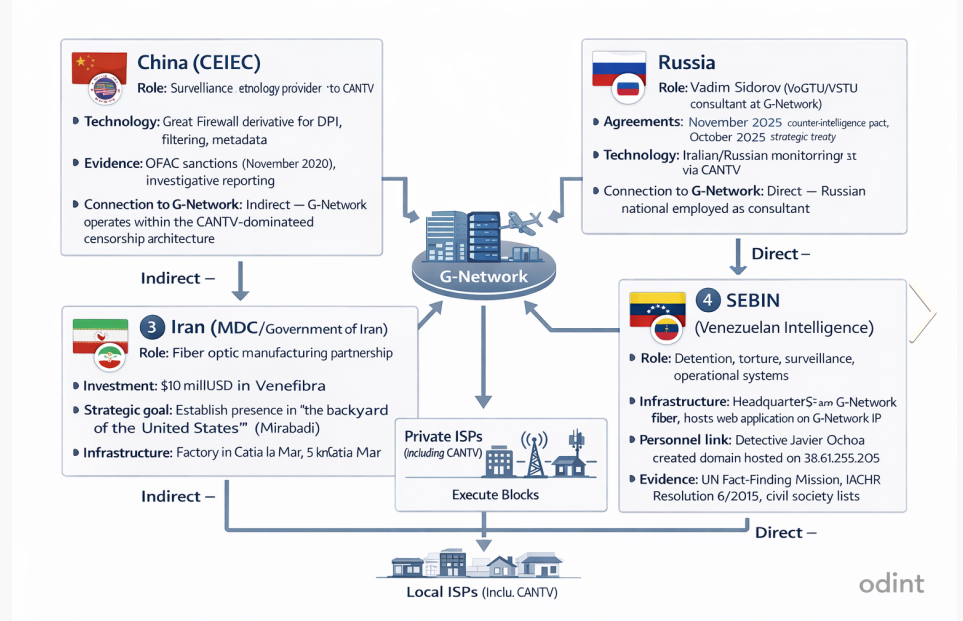
ההתכנסות המרובעת - ארבעה שחקנים אוטוריטריים, תשתית תקשורת אחת
„אזור הגבול המיוחד” — סוד עליון של SEBIN שנחשף בידי ODINT
במהלך החקירה של אתר SEBIN, נמצאה גילוי חשוב: "אזור מיוחד דה פרונטרס" ("אזור גבול מיוחד").
המונח הזה מעולם לא הוגדר רשמית על ידי המשטר של ונצואלה בפומבי, מה שחושף לראשונה את אחת מהיחידות המיוחדות של SEBIN.
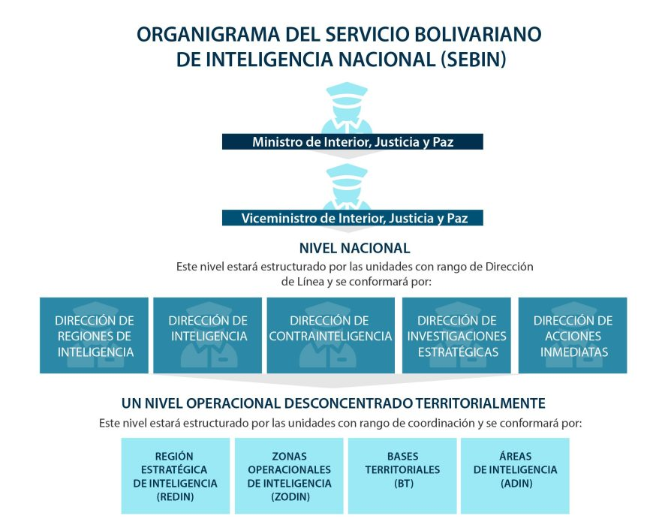
תיעוד פומבי ראשון של יחידת "Región Especial de Fronteras" של SEBIN
השאלות ללא מענה
חקירה זו הקימה רשת של קשרים מתועדים. אך נותרו שאלות רבות:
על עימות המשרד
- Which ministry told G-Network, “the roads of Caracas belong to them”…
- Was it CANTV, the Ministry of Defense, the Ministry of Interior, or SEBIN itself…
- What was negotiated to allow G-Network’s continued expansion…
על איראן ורוסיה
- Is there operational coordination between Venefibra, G-Network, and MDC…
- Do Iranian personnel have access to G-Network’s network operations center…
- האם ואדים סידורוב קיים אינטראקציה עם הצוות הטכני האיראני בלה גואירה...
- האם "מסדרון הנתונים" שאיראן בונה דרך עומאן מיועד להרחיב את ונצואלה...
השלכות על אמריקה הלטינית
דריסת הרגל האסטרטגית של איראן
ההצהרה של אמירוסין מירבאדי על ביסוס נוכחות "בחצר האחורית של ארצות הברית" לא הייתה הפרעה.
Venefibra ?????? ????? ???? ??? ????? ??:
- Colombia
- בְּרָזִיל
- ארגנטינה
- מרכז אמריקה
- מדינות הקריביות
אם מדינות אלו יתחילו להשיג תשתיות טלקומוניקציה ממיזם משותף איראני-ונצואלי, הן יורשות פגיעות פוטנציאליות: פשרות בשרשרת האספקה, דלתות אחוריות מוטמעות או תלות שעלולה להיות מנוצלת למעקב או שיבוש.
מה שברור הוא שהגילויים הללו ימשכו את תשומת לבם של סוכנויות ביון שונות כמו מוסד, שיש להם אינטרס משמעותי במניעת התפשטות האיראנים ביבשת אמריקה.
Iran’s fiber optic export ambitions across Español (LatAm) America via Venefibra
הערת החוקר
This report is based entirely on open-source intelligence (OSINT). No classified information was accessed. No confidential sources were used. Everything documented here is publicly available — if you know where to look.
המשמעות אינה טמונה בגילויים סודיים, אלא ב מחברים את הנקודות: מראה כיצד יועץ רוסי, מפעל איראני, ספק שירותי אינטרנט ונצואלי ומתקן עינויים אינם תופעות מבודדות אלא צמתים במערכת קוהרנטית.
מערכת זו נועדה לשלוט במידע, לדכא התנגדות ולהקרין כוח אוטוריטרי. והוא פועל, ממש עכשיו, לאורך כבלי הסיבים האופטיים העוברים מתחת לכביש המהיר קרקס-לה גוואירה.