Загальний огляд
Венесуела керує однією з найскладніших у світі екосистем обходу санкцій, що охоплює як морську, так і авіаційну сфери. Завдяки поєднанню застарілих танкерів «тіньового флоту», державних суден PDVSA, ліцензованих зафрахтованих Chevron кораблів та сузір'я приватних і режимних літаків, боліваріанський уряд побудував паралельні логістичні мережі для експорту нафти та наркотрафіку, що працюють здебільшого поза міжнародним наглядом. Це розслідування каталогізує понад 70 морських суден та 60+ літаків, ідентифікованих за допомогою відкритих розвідувальних джерел ODINT, класифікуючи їх за операційною роллю та профілем ризику.
Тіньовий флот — Морський обхід санкцій
Що таке тіньовий флот…
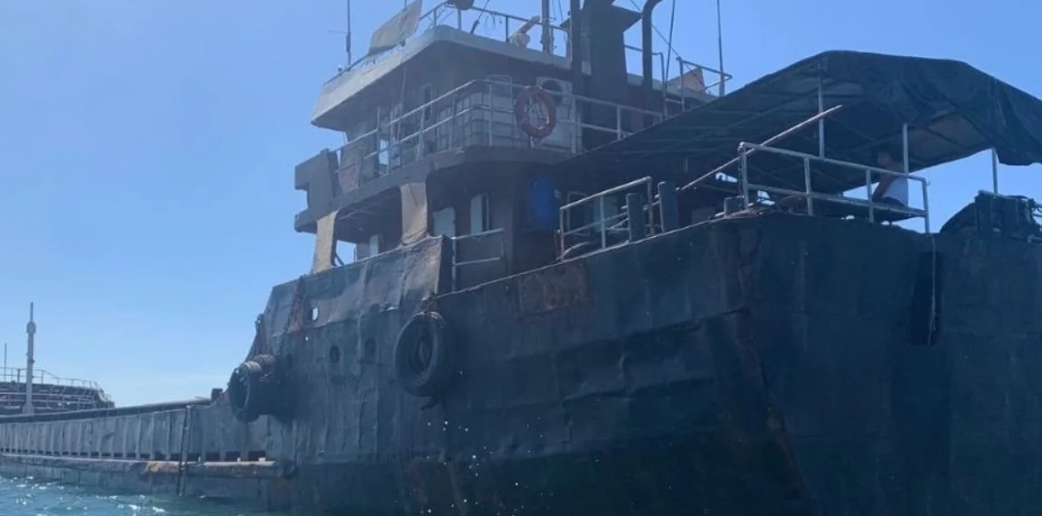
«Тіньовий флот» (також відомий як «флот-привид») означає глобальну мережу застарілих нафтових танкерів, що перевозять нафту з країн під санкціями — переважно Росії, Ірану та Венесуели — уникаючи міжнародного відстеження та страхових механізмів. Ці судна мають спільні характеристики:
- Застарілий тоннаж: Більшості 15–25 років, що значно перевищує вік, прийнятний для основних страховиків та класифікаційних товариств.
- Непрозоре володіння: Зареєстровані через підставні компанії в юрисдикціях ОАЕ, Сейшельських островів, Ліберії та Гонконгу.
- Зручні прапори: Зареєстровані під прапорами Гвінеї, Коморів, Панами, Того, Камеруну, Болівії та інших регуляторних гаваней з мінімальним наглядом.
- Без західного P&I страхування: Працюють без страхового покриття Protection & Indemnity, яке вимагають основні порти та Міжнародна група P&I клубів.
Тіньовий флот зріс приблизно на 45% за рік до середини 2025, що було значною мірою спричинено каскадними санкціями внаслідок російсько-української війни. За оцінками, 218 танкерів були залучені до переміщення венесуельської нафти за один 12-місячний період, причому близько 80% демонстрували щонайменше одну «тіньову активність». З урахуванням перевантажень між суднами (STS), до 10% світового танкерного флоту може бути пов'язано з транспортуванням венесуельських вантажів.
Маніпуляції з AIS та оманливі морські практики
Судна, що відстежуються в цьому розслідуванні, використовують кілька рівнів електронного обману:
| Техніка | Опис | Метод виявлення |
|---|---|---|
| Затемнення | Екіпаж вручну вимикає AIS-транспондер, створюючи розриви сигналу | Алгоритмічний аналіз розривів; супутникові SAR-зображення |
| Підробка AIS | Транслювання хибних координат для цифрового розміщення судна в безпечних водах, коли фізично воно завантажується на санкційних терміналах | Перехресна перевірка AIS із супутниковими зображеннями (Sentinel-1, комерційний SAR) |
| Кругова підробка | Автоматизоване програмне забезпечення генерує фальшиві кругові шаблони утримання | Виявлення геометричних аномалій |
| Маніпуляція GNSS | Хибні GPS-координати подаються в транспондерну систему судна, дозволяючи йому «стрибати» через океани | Багатоджерельна кореляція (Kpler, TankerTrackers, супутник) |
| Відмивання ідентичності («Зомбі»-судна) | Оператори купують MMSI-номери від утилізованих кораблів і програмують їх в активні танкери | Перехресна перевірка IMO з базами даних утилізації |
| Зміна прапорів | Швидка зміна реєстрації між зручними прапорами для випередження регуляторних чорних списків | Аналіз частоти змін прапорів держави |
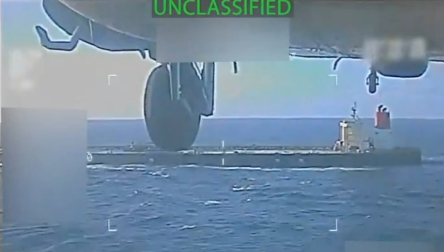
Яскравий приклад: коли війська США захопили VLCC Шкіпер біля узбережжя Венесуели 10 грудня 2025 року його транспондер AIS передавав координати, вказуючи на те, що він знаходився поблизу Гайани та Сурінаму — за 500 морських миль від його фактичного положення на терміналі Хосе у Венесуелі, де супутникові зображення підтвердили, що він завантажував санкційну сиру нафту.
Каталог суден ODINT
Судна під санкціями
Наступні судна були ідентифіковані під час моніторингу як санкції одного або кількох OFAC (США), OFSI (Велика Британія) або Європейського Союзу, і були помічені, що працюють у водах Венесуели або поблизу них:
| Назва судна | ІМО | MMSI | Прапор | Санкції | Ключова розвідка |
|---|---|---|---|---|---|
| КСАНТОС ЕОС | 9231212 | 306761000 | Curaçao/Panama | OFAC, ЄС, Великобританія | Прибув до Амуая в середині вересня 2025 р.; раніше транспортована російська нафта; належить Merluza Group Limited (введено санкції в січні 2025 р.) |
| ДУХ ТИТАНУ | 9412905 | — | — | Sanctions/OSINT listed | Відстежується в коридорі Близький Схід–Карибський басейн; Востаннє бачили біля вод ОАЕ у вересні 2025 року |
| ЩАСЛИВА ЛЕДІ | 9005479 | — | — | Покриття санкцій | Tracked in Mediterranean/Eastern routes; last AIS signal Sep 2025 |
| ГРАЦІЯ 1 | 9116412 | — | — | Історичні санкції | Іранський супертанкер, затриманий Гібралтаром у липні 2019 року під час перевезення 2 мільйонів барелів сирої нафти, що прямувала до Сирії; став символом застосування санкцій |
| AMUAY SENTINEL | 9422210 | — | — | Sanctioned/alias tracking | Прибуття на півострів Парагуана перевіряється; востаннє був у вересні 2025 р |
| КАРДОН СЕНТІНЕЛ | 9422211 | — | — | Sanctioned/dual verification | Прибуття на нафтопереробний комплекс Кардон; востаннє був у вересні 2025 р |
Судна тіньового флоту (Неперевірені/Відстежені ODINT)
These vessels were identified through ODINT monitoring in Caribbean waters with behavioral anomalies consistent with dark fleet operations:
| Назва судна | ІМО | Категорія | Остання відома позиція | Основні примітки |
|---|---|---|---|---|
| ВЕСНЯНИЙ (ALT) | 9232888 | Темний флот | 24,90° пн.ш., 56,30° зх.д. (територія ОАЕ) | Shadow fleet; UK/EU sanctions; alias tracking |
| КОАЛА (ALT) | 9230423 | Темний флот | 26.20°N, 55.80°W | Тіньовий флот; зміна особи 2025 |
| ФЕНІКС ВОЯДЖЕР | 9245678 | Темний флот | 11,90° пн.ш., 66,50° зх.д. (Карибський басейн) | OSINT-tracked Caribbean operations |
| ОДІССЕЙ | 9234567 | Темний флот | 12.00°N, 70.90°W | Діяльність Карибського темного флоту |
| МІРАЖ | 9234568 | Темний флот | 11.50°N, 69.80°W | Діяльність Карибського темного флоту |
| ОРІОН | 9234569 | Темний флот | 12.20°N, 64.50°W | Діяльність Карибського темного флоту |
| БАЛТІЙСЬКЕ СОНЦЕ | 9302145 | Темний флот | 12.50°N, 60.80°W | Перелік громадських організацій |
| АРКТИЧНЕ МОРЕ | 9302146 | Темний флот | 13.10°N, 57.00°W | Перелік громадських організацій |
| НОРДИЧНЕ НЕБО | 9302147 | Темний флот | 14.20°N, 55.50°W | Перелік громадських організацій |
| ЧОРНА ПЕРЛИНА | 9302148 | Темний флот | 15.10°N, 53.20°W | Перелік громадських організацій |
| ЧЕРВОНЕ МОРЕ | 9302149 | Темний флот | 16.00°N, 51.10°W | Перелік громадських організацій |
| КУБИНСЬКИЙ СОЮЗНИК | 9309981 | Темний флот | 19,80° пн.ш., 75,80° зх.д. (Куба) | Поповнення Куби через темний флот |
| ТРЕЙДЕР ЗАТОКИ | 9317782 | Темний флот | 20.00°N, 75.00°W | Venezuela–Cuba STS routes 2024/2025 |
Особливо важливі судна, що прямують на Кубу. Венесуельський режим використовує таємну мережу танкерів, щоб підтримувати поставки сирої нафти до Гавани, причому один танкер під кубинським прапором був відстежений і перевозив понад 300 000 барелів з Венесуели за один місяць, що значно перевищує офіційні цифри експорту.
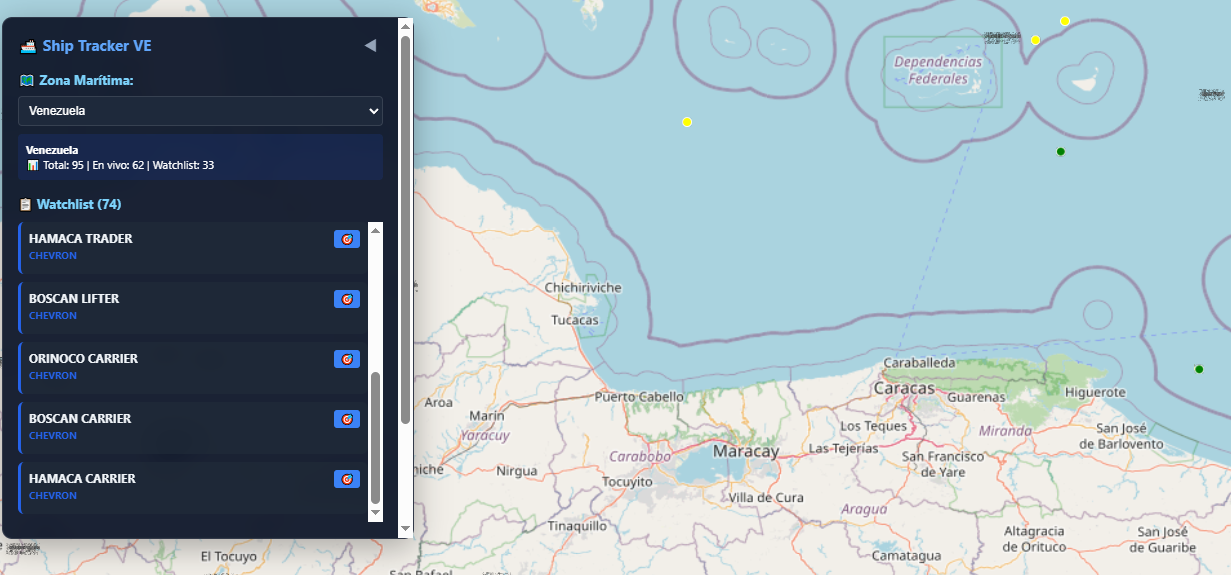
ODINT uses its own tools to track these vessels
Державний флот PDVSA
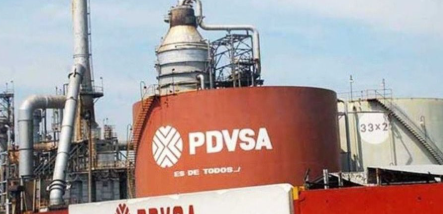
Venezuela’s state oil company PDVSA operates its own fleet of tankers through its subsidiary ПДВ Марина, доповнений ексклюзивним чартером суден під іноземним прапором. Ці судна перевозять сиру нафту між вісьмома великими нафтовими портами Венесуели (Хосе, Амуай, Кардон, Пуерто-Ла-Крус, Ель-Паліто, Бахо-Гранде та інші) і обробляють експортні завантаження:
| Назва судна | ІМО | Terminal/Region | Останній раз | Примітки |
|---|---|---|---|---|
| КАРАБОБО | 9524114 | Falcón/Zulia | — | PDVSA fleet; multiple port calls |
| ТАМАНАКО | 9524102 | — | — | PDVSA fleet |
| НЕГРА ІПОЛІТА | 9274356 | — | — | PDVSA fleet |
| КУМАНА II | 9303153 | Пуерто Ла Круз | 3 вересня 2025 р | 10.46°N, 64.19°W |
| LLANOS | 9303101 | Західна Венесуела | 4 вересня 2025 р | Експортне вікно вересень 2025 р.; 10,70° пн.ш., 71,60° зх.д |
| ANACO II | 9303127 | PLC–Ель Паліто | 3 вересня 2025 р | Сплеск активності вересень 2025 р |
| КАРІПІТО | 9303139 | Східна Венесуела | 2 вересня 2025 р | PDVSA Oriente |
| ПАРІЯ БЕЙ | 9303164 | Східні Кариби | 5 вересня 2025 р | Зона передачі СТС |
| ПУЕРТО МІРАНДА | 9303145 | Венесуельська затока | 28 квітня 2025 р | Повідомлено про затримки в чергах у квітні 2025 року |
The full PDVSA fleet catalog includes dozens of additional vessels (PITIGUAO, MORICHAL, BOYACA, MARA, CATATUMBO, ZULIA, GUAJIRA, CUMAREBO, PUNTA CARDON, AMUAY BAY, SAN FELIX, ANZOATEGUI, ORINOCO, CARIBE, LA GUAIRA, PUERTO CABELLO, PUERTO SUCRE, LOS ROQUES, and others). Ten foreign-flagged vessels were found sailing exclusively between Venezuela’s eight oil ports on behalf of PDV Marina, most registered in Panama and Comoros by shipping companies from the UAE.
Ліцензовані Chevron судна
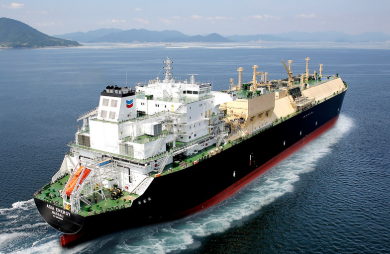
Після обмеженої ліцензії США, наданої Chevron у липні 2025 року, флот танкерів відновив роботу на терміналах Венесуели.
| Назва судна | ІМО | Прапор | Ключовий інтелект |
|---|---|---|---|
| CANOPUS VOYAGER | 9452227 | Багамські острови | Перший, хто завантажить важку нафту Hamaca за новою ліцензією, 12 серпня 2025 року на терміналі Хосе |
| СЕРЕДЗЕМНОМОРСЬКИЙ ВОЯЖЕР | 9411975 | Багамські острови | Завантажено важку нафту Boscán у Бахо-Гранде, серпень 2025 р |
| CANOPUS VOYAGER II | 9452239 | — | Вікно, зафрахтоване Chevron серпень–вересень 2025 р |
| СЕРЕДЗЕМНОМОРСЬКИЙ ВОЯДЖЕР II | 9411987 | — | Потік, зафрахтований Chevron, серпень 2025 р |
| HAMACA ТРЕЙДЕР | 9430021 | — | Завантаження нафти Hamaca після ліцензії |
| ПІДЙОМНИК BOSCAN | 9427765 | — | Завантаження босканської нафти після отримання ліцензії |
| ПЕРЕВІЗНИК ОРІНОКО | 9345670 | — | Chevron/PDVSA flows Aug–Sep 2025 |
Додаткові судна, зафрахтовані Chevron, у складі оперативного флоту включають BOSCAN CARRIER, HAMACA CARRIER, GEORGE T, SEA LION, AVON, HIGHLANDER, POINT FORTIN, NABUCCO, CARIBBEAN PIONEER, CEDAR, MONGOOSE, PEREGRINE, HARRIER, FALCON і CONDOR. Дані Reuters і LSEG підтвердили, що в серпні 2025 року принаймні п’ять суден прямували до венесуельських вод одночасно, а додаткові кораблі зупинялися в Арубі — загальному центрі перевезення між суднами венесуельської сирої нафти.
Наркоплани — Авіаційна розвідка ODINT
Венесуела як центр наркоавіації
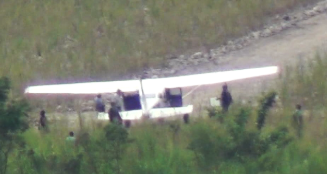
Венесуела довгий час служила критичним повітряним транзитним коридором для колумбійського кокаїну, який рухався до Північної Америки, Центральної Америки та Карибського басейну. З 2019 року збройні сили Венесуели офіційно знищили щонайменше 21 літак на території країни, 12 з яких, як підтверджено, були зареєстровані в США. Відповідно до офіційних венесуельських військових заяв, до 2025 року ця цифра зросла до щонайменше 39 «нарколітаків», знешкоджених тільки в цьому році.
Cartel de los Soles сприяє цьому повітряному коридору через мережу корумпованих військових, які погоджують вильоти та прибуття літаків, що перевозять наркотики, керують радіолокаційним покриттям з повітря для створення «сліпих зон» і контролюють таємні злітно-посадкові смуги в прикордонних регіонах. Пілот колишньої першої леді Сілії Флорес Язенкі Ламас був екстрадований до Сполучених Штатів за надання кодів повітряного руху, які дозволяли кокаїновим літакам імітувати комерційні рейси — його пов’язували з «сотнями рейсів з наркотиками».
Режимна та державна авіація
The ODINT-tracked aircraft catalog reveals a complex hierarchy of state, regime, and private aviation assets:
Флот Президента та вищого керівництва
| ICAO/Registration | опис | Значимість |
|---|---|---|
| T7102X | Новий літак Maduro (заміна конфіскованого літака) | Acquired after the U.S. seized two Dassault Falcon jets linked to Maduro in 2024–2025. The original YV3016/YV3360 aircraft were seized in the Dominican Republic |
| YV2984 | Presidential/entourage aircraft | Внесено до списку SDN OFAC як заблокована власність Conviasa з 2020 року |
| YV1004 | Режимний антураж літака | Conviasa SDN у списку |
| T777PR | PDVSA-purchased; Díaz-Canel Cuba flights | Використовувався для транспортування президента Куби Мігеля Діас-Канеля |
| YV654T | «Подарунок» Діас-Канелю — Gulfstream G2 | Режимні літаки передані як дипломатичний подарунок Кубі |
| YV3119 | Літак, приписуваний Діосдадо Кабелло | США призначили Кабелло винагороду в 25 мільйонів доларів; нині міністр внутрішніх справ контролює операції з боротьби з наркотиками |
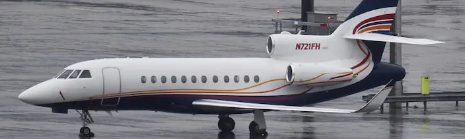
The seizure of Maduro’s aircraft represents a critical OSINT milestone. In September 2024, U.S. authorities seized a Dassault Falcon 900 described as “Venezuela’s Air Force One,” which had been purchased for $13 million through a shell company in violation of sanctions. In February 2025, Secretary Rubio personally oversaw the seizure of a second Dassault Falcon 2000EX (YV-3360) in Santo Domingo, which yielded intelligence including transponder data, flight manifests, and Venezuelan Air Force personnel records.
CONVIASA — The Sanctioned State Airline
CONVIASA (Consorcio Venezolano de Industrias Aeronáuticas y Servicios Aéreos) was designated under Executive Order 13884 in August 2019 and formally added to the SDN list in February 2020. The U.S. accused the airline of shuttling regime officials to North Korea, Cuba, and Iran. The OFAC listing includes 37+ aircraft: Airbus A319/A340, Boeing 737s, ATR42/72s, Embraer ERJ190s, Cessna 208 Grand Caravans, and DHC-7s.
Notable CONVIASA-linked tracked aircraft:
- YV3397: Ex-Conviasa, sanctioned; tracked to Isla Tortuga — a small Venezuelan island historically associated with clandestine operations
- ETR823/ETR8949H: літак авіакомпанії Estelar з нерегулярною поведінкою; державний перевізник працює на маршрутах Гайани
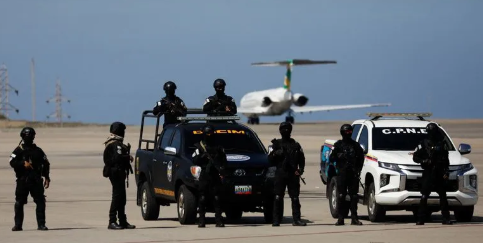
DGCIM Military Intelligence Aircraft
| Реєстрація | опис | Route/Pattern |
|---|---|---|
| YV2770 | DGCIM (Directorate General of Military Counterintelligence) | Польоти режимної військової розвідки |
| YV2707 | DGCIM | Операції військової розвідки |
| YV2875 | DGCIM plant aircraft | Barinas route — прикордонна держава з Колумбією |
| YV3086 | військовий | Військовий аеродром Ла-Карлота в Порламар (острів Маргарита) |
| AMB0222 | військовий | Аеродром Ла-Карлота — основний вузол військової авіації Каракасу |
Антураж і політичний VIP-парк
The ODINT data reveals a substantial fleet of private aircraft dedicated to regime VIP transport:
- YV3554, YV3399, YV3226, YV3218, YV3006, YV2630, YV3381, YV3562: Літак політичного антуражу, який використовується для внутрішніх режимних подорожей
- YV1794: Використання високочастотного режиму
- YV2689: Повідомляється, що режимний літак використовувався Кімберлі Дельгадо — політично зв'язана фігура
- YV3173: Пов’язано з Арістобуло Істуріз фракція / Barquisimeto chavistas
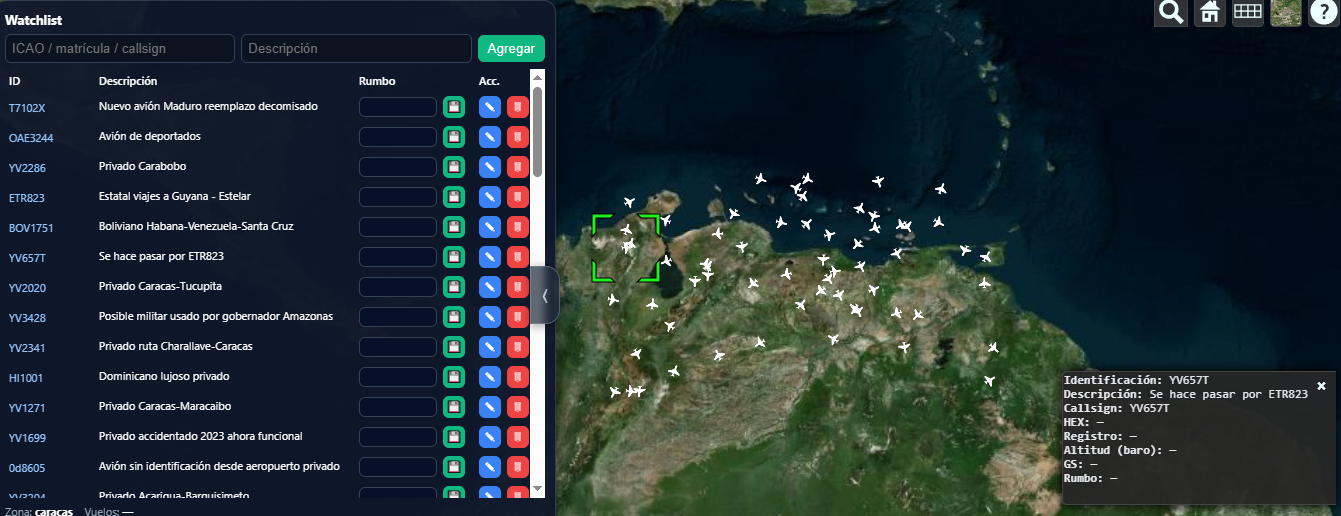
ODINT uses its own tools to track suspicious aircraft in Español (LatAm) America
Пов'язані з наркотрафіком та підозрілі літаки
Показники торгівлі наркотиками та контрабанди золота
| Реєстрація | опис | Оцінка ризиків |
|---|---|---|
| YV3088 | Unknown — Guyana narco/gold route | Прикордонний регіон Гайани є епіцентром незаконного видобутку корисних копалин і обміну золота на наркотики |
| YV3457 | Unknown — Mexico narco/gold route | Мексиканський коридор для відмивання наркотиків і золота |
| YV3025 | Режим — золото, Сьюдад-Гуаяна | CVG (Corporación Venezolana de Guayana) зона видобутку корисних копалин |
| YV0138 | CVG пов'язані з мінералами | Пов’язано з державними видобувними роботами в штаті Болівар |
| YV3514 | міжнародний нарко; здався військовим США | Єдиний літак у каталозі, у якому підтверджено участь військових США |
| YV3379 | Маршрут Гуанаре — підозра в наркотиках | Штат Португалія — відомий коридор транзиту наркотиків від кордону з Колумбією |
| YV3044 | Рідкісний шлях до Гаяни | Південна Венесуела — зона видобутку корисних копалин і торгівлі |
Літак-привид і маніпуляція ідентифікацією
| Ідентифікатор | опис | OSINT Concern |
|---|---|---|
| 0d8605 | Без ідентифікації — виліт з приватного аеродрому | Лише шістнадцятковий код; відсутність реєстраційних даних — максимальна непрозорість |
| e48cbd | Бразильський літак — інформації немає | Невирішений іноземний шістнадцятковий код, що працює в повітряному просторі Венесуели |
| 0d8487 | Вирішується YV654T — режимний подарунковий літак | Дубльований шістнадцятковий код свідчить про маніпуляції транспондером або відмивання особистих даних |
| YV657T | Видання за ETR823 (Estelar) | Активний спуфінг транспондера: приватний літак транслює інформацію про авіакомпанію, щоб уникнути перевірки |
| YV3089 | Рідко — немає шістнадцяткового коду | Робота без жодного цифрового сліду |
Випадок YV657T імітує ETR823 відображає морську тактику підробки AIS: приватний літак транслює ідентичність комерційного рейсу Estelar Airlines, щоб приховати його справжню природу. Ця техніка була задокументована в судовому переслідуванні Yazenky Lamas, де пілоти-нарко використовували коди повітряного руху, щоб видати себе за комерційні рейси.
Міжнародні маршрути, що викликають занепокоєння
| Реєстрація | Маршрут | Значимість |
|---|---|---|
| BOV1751 | Гавана–Венесуела–Санта-Крус (Болівія) | Тринаціональний наркокоридор, що з'єднує зони виробництва коки на Кубі, Венесуелі та Болівії |
| OAE3244 | Літак для депортованих | Транспорт в ОАЕ |
| HI1001 | Домініканська республіка — розкішний приватний | ДР була плацдармом для захоплення режимних літаків |
| HI1045 | Домініканська Республіка — використано Гуайдо | Опозиційний літак |
| YV2853 | EXC2853 — Режим, Малі Антильські острови | Маршрут стрибків на острови через Східні Кариби |
| YV3404 | Постійні рейси на Кубу | Кубинський коридор постачання — віддзеркалення морського кубинського темного флоту |
| YV2692 | Рейси Реджим — США–Венесуэла | Активний маршрут США – Венесуела попри санкції |
| YV1106 | Рідкісний маршрут США–Венесуела | Аномальна активність польотів США – Венесуела |
| YV147T | Приватний CCS–Кюрасао | Каракас – Кюрасао — спільний офшорний центр фінансування та переказу STS |
| AVA018 | Комерційний літак Avianca, який використовується антуражем | Комерційна авіація використовується для режиму VIP-перевезень (hex: aace63) |
Зближення — Де тіньовий флот зустрічає наркоплани
Зв'язок з Cartel de los Soles
Морські та авіаційні мережі, задокументовані в цьому розслідуванні, не є паралельними системами — вони є інтегрованими компонентами того самого державно-злочинного апарату. У листопаді 2025 року США визнали Cartel de los Soles іноземною терористичною організацією. Але не тільки картель використовував цей коридор; різні уряди також використовували його для експлуатації ресурсів, включаючи Сполучені Штати:
- Морські коридори: Військові офіцери погоджують відправлення кораблів, керують доступом до порту та координують дії з операторами темного флоту щодо експорту санкційної сирої нафти.
- Повітряні коридори: Ті самі військові структури керують радіолокаційним покриттям, видають коди повітряного руху та обслуговують таємні злітно-посадкові смуги для полегшення польотів наркотиків.
- Спільна логістика: The Cuba-bound supply chain operates through both maritime (dark fleet tankers like CUBAN ALLY and GULF TRADER) and aviation (YV3404 constant Cuba flights, T777PR PDVSA-Cuba, YV654T Díaz-Canel aircraft) channels.
Ключові географічні вузли
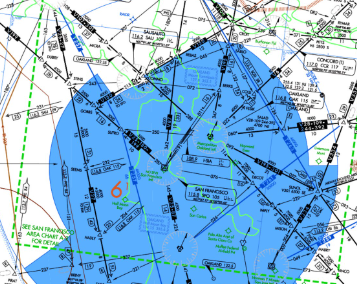
The ODINT data clusters around several critical nodes:
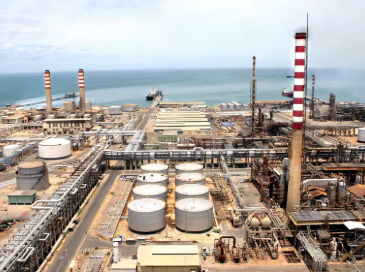
- Півострів Парагуана (Amuay/Cardón): Venezuela’s largest refinery complex; arrival point for sanctioned tankers like XANTHOS EOS
- Термінал Хосе (Anzoátegui): Первинний експортний термінал сирої нафти; де Шкіпер завантажувався під час захоплення
- Венесуельська затока / озеро Маракайбо: Західна зона експорту нафти та коридор перехоплення нарколітаків
- Півострів Парія / Східні Кариби: Зона передачі STS для кораблів темного флоту
- Аруба / Кюрасао: плацдарм для пересадок Chevron STS і операцій темного флоту
- Сьюдад-Гуаяна / штат Болівар: зона видобутку золота; тут працюють літаки YV3025, YV3088, YV0138
- Cuba: пункт призначення для нафтових танкерів темного флоту та режимних літаків
Зв'язок з ОАЕ
Повторювана модель у морському та авіаційному транспорті: Об'єднані Арабські Емірати служить основним корпоративним притулком для інфраструктури для ухилення від санкцій. Лише Asia Charm Limited FTZ управляє 13 танкерами у венесуельських водах, а кілька інших компаній, що базуються в ОАЕ (Kroeger Tankers, Julius Capital, Issa Shipping), керують судами, які перебувають під санкціями або невидимими суднами. Регуляторне середовище ОАЕ дозволило продовжувати ці операції, незважаючи на міжнародний контроль.
Що пропонує ODINT
The ODINT data cataloged here reveals the industrial scale of Venezuela’s dual-use logistics network. Over 70 maritime vessels span the full spectrum from sanctioned dark fleet tankers to state-owned PDVSA ships to licensed Chevron operations, while 60+ aircraft range from presidential jets to unidentified ghost planes on narco-trafficking routes. The convergence point is the Venezuelan state itself—through the Cartel de los Soles, the same military command structure that manages oil port access also controls aerial radar and clandestine airstrips.
Але це також викриває уряди з усіх боків: Росія, Іран, Сполучені Штати та навіть Об’єднані Арабські Емірати використовували і продовжуватимуть використовувати торговельний коридор, щоб скористатися багатством Венесуели.
Кампанія із забезпечення дотримання законодавства США — від конфіскацій танкерів до призначення FTO — порушила, але не демонтувала ці мережі. Прорив 12 завантажених танкерів у темному режимі в січні 2026 року демонструє, що темний флот адаптується швидше, ніж це можуть зробити правоохоронні органи. Тим часом, з боку авіації, здатність режиму придбати літаки на заміну (T7102X після захоплення Dassault), підробити ідентифікатори транспондерів (YV657T імітує ETR823) і підтримувати постійні рейси на Кубу (YV3404) свідчить про систему, розроблену для стійкості, перш за все.
Примітка слідчого
This report is based entirely on open-source intelligence (OSINT). No classified information was accessed. No confidential sources were used. Everything documented here is publicly available — if you know where to look.