Summary
The Kumarakapay massacre of February 22, 2019, constitutes one of the most serious episodes of state violence against indigenous populations in Venezuela in the 21st century. This event, which resulted in the deaths of at least seven people and more than thirty wounded, occurred in the context of an attempt to bring international humanitarian aid into Venezuela, when members of the Bolivarian Army and the National Guard attacked members of the Pemón indigenous community with firearms as they attempted to facilitate the passage of aid across the border with Brazil.
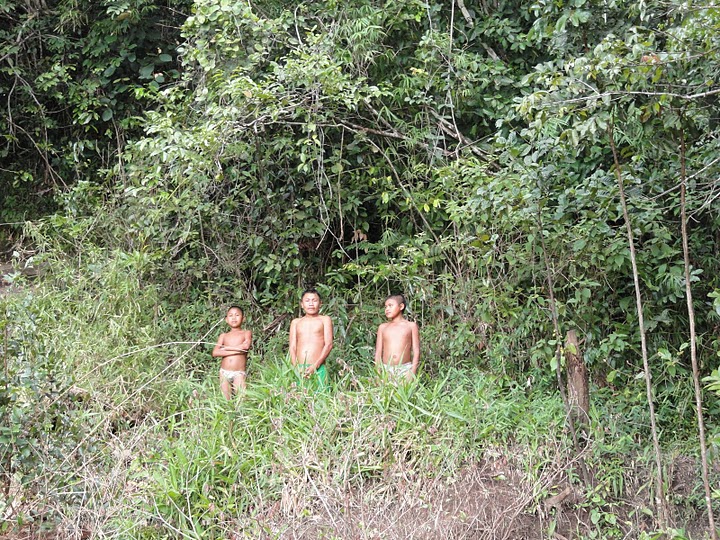
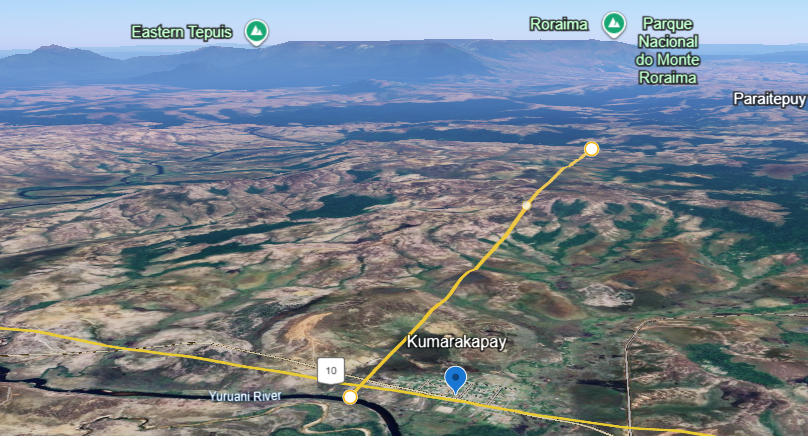
The events took place in the community of San Francisco de Yurani, also known as Kumarakapay in the Pemón language, located in the Gran Sabana municipality of Bolívar state, approximately 70 kilometers from Santa Elena de Uairén. The massacre is part of a broader pattern of progressive militarization of indigenous territory and repression against communities that oppose state control of their natural resources, particularly within the framework of the Orinoco Mining Arc.
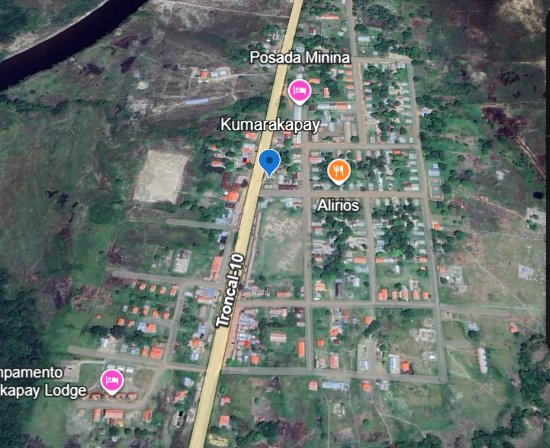
The event revealed the extreme vulnerability of indigenous populations to state violence, the absence of constitutional guarantees for indigenous territorial autonomy, and the political exploitation of the Venezuelan humanitarian crisis. The immediate consequences included the forced displacement of more than 1,500 Pemón indigenous people to Brazil, the permanent militarization of the region, and a sustained pattern of impunity that persists to this day.
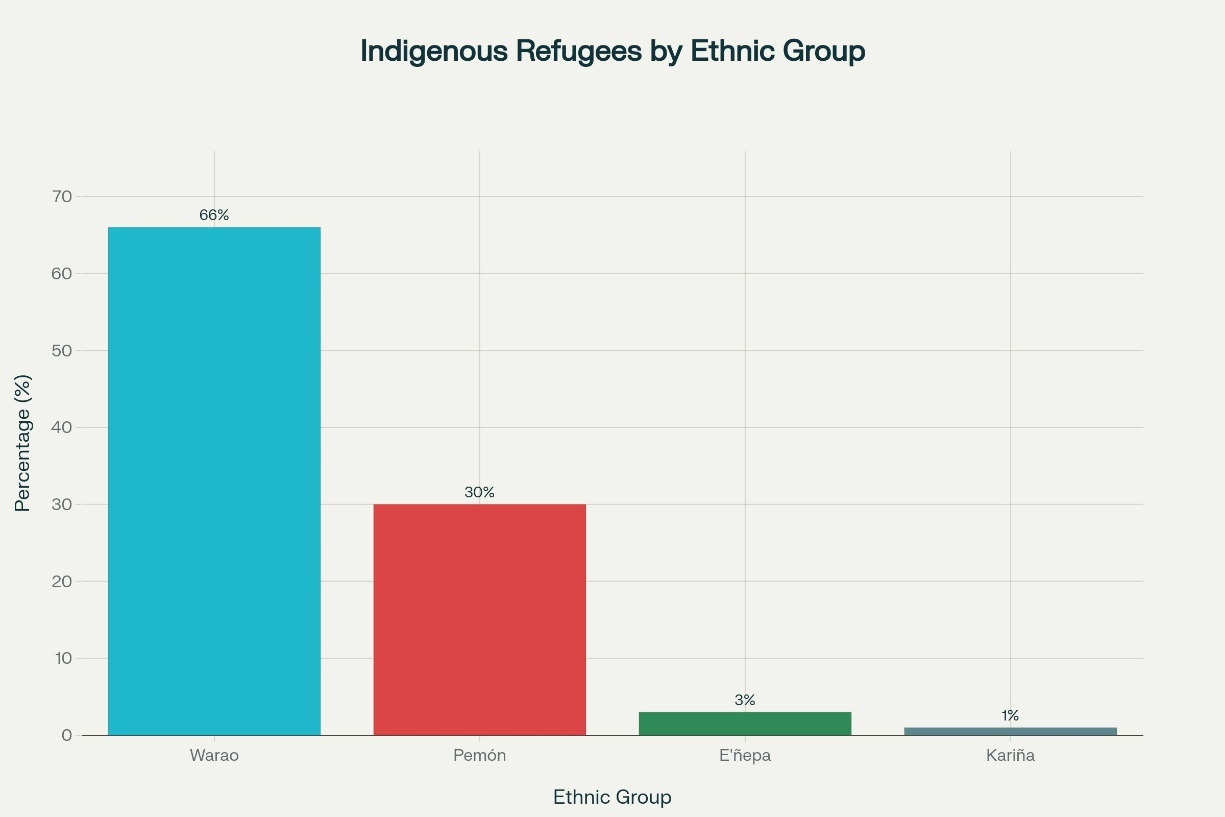
Main Events Area
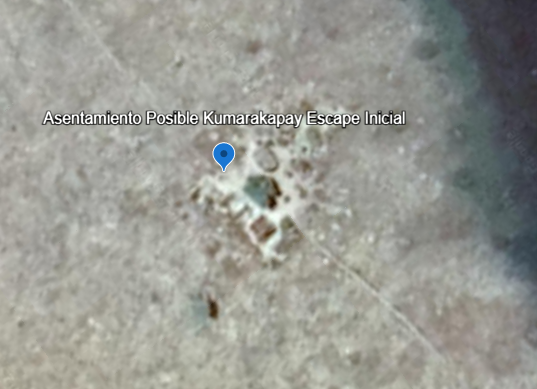
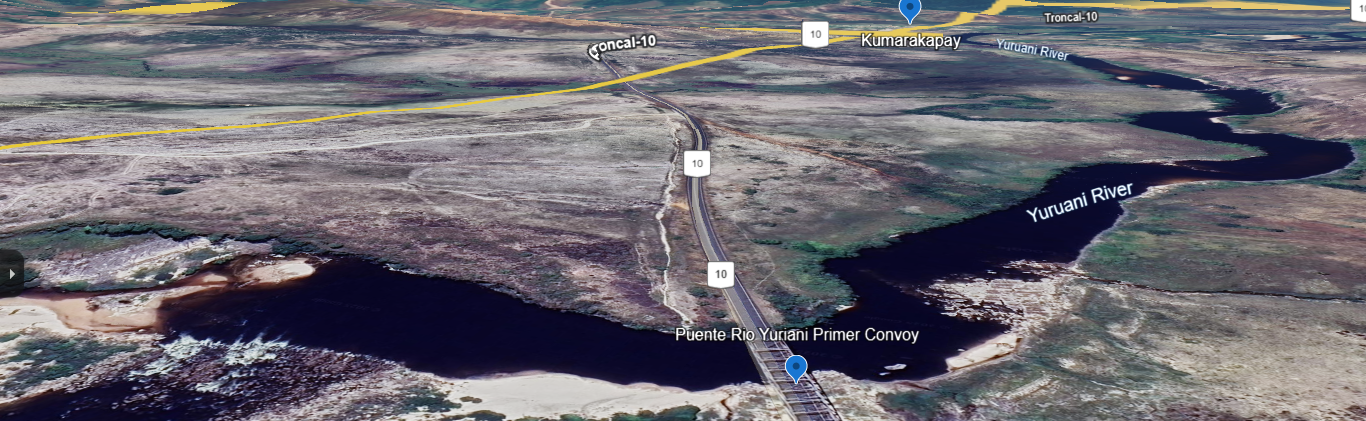
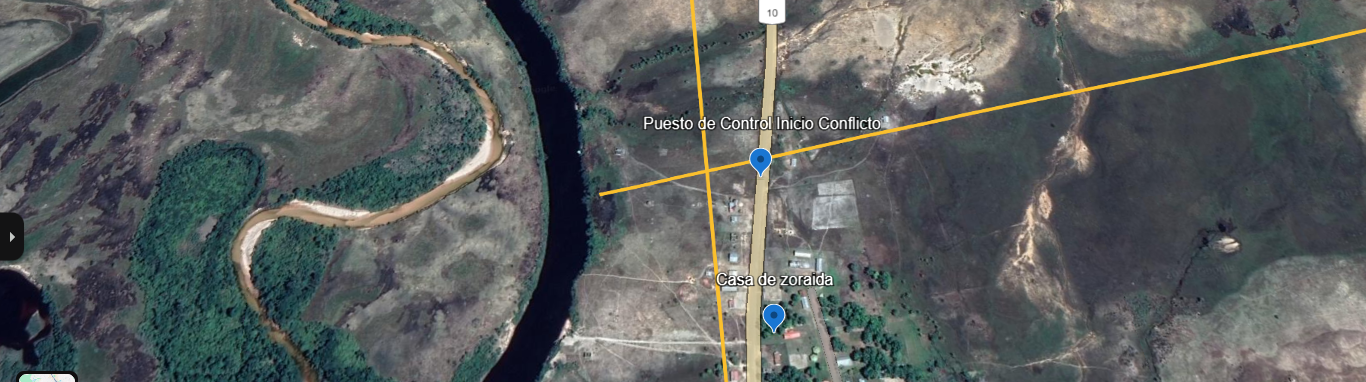
The most serious clashes took place in the area known as the Pemon territorial checkpoint, located directly on Troncal 10 at Kumarakapay. This point was the main security filter established by the indigenous community to regulate the transit of military and civilian vehicles through their territory, in exercise of their constitutional autonomy. Troncal 10 crosses the entire length of Kumarakapay and extends far into Brazil, making it a very important point of interest.
Displacement Area
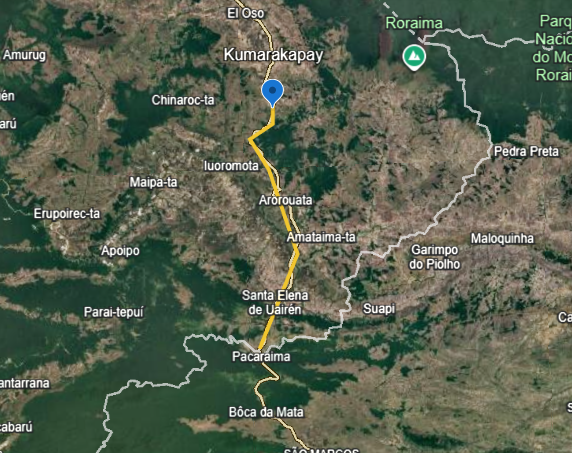
The families who fled after the massacre initially took refuge in mountainous areas located between 10 and 15 kilometers east of Kumarakapay, in the direction of the Roraima tepui. Subsequently, most crossed the border into the Brazilian communities of Bananal and Tarauparu, located in the state of Roraima, Brazil.
Detailed Chronology of Events
19-21 of February 2019:
On February 19, 2019, the Brazilian government officially announced its cooperation with the humanitarian aid operation led by Juan Guaido, establishing collection centers in Boa Vista and Pacaraima, in the state of Roraima. This decision intensified tensions at the border, as Nicolas Maduro had categorically rejected the entry of humanitarian aid, calling it a pretext for military intervention.
On February 20, Bolivarian Army troops were deployed to Santa Elena de Uairen with explicit orders to prevent the entry of any humanitarian aid convoy. Tanks and armored vehicles were spotted in the border town, causing alarm among the local population.
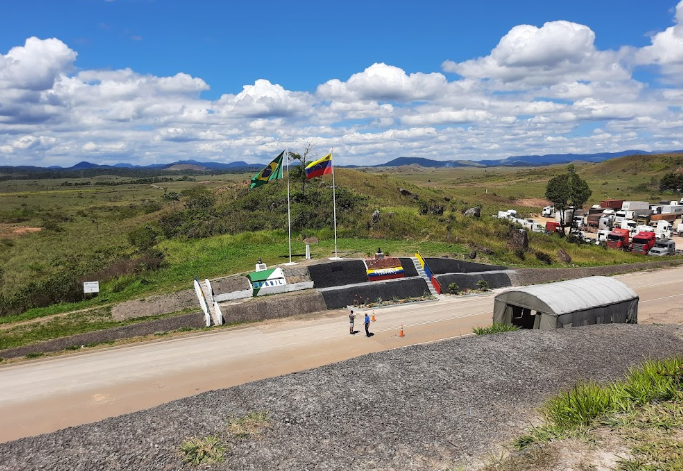
On February 21, Maduro ordered the official closure of the border with Brazil, also prohibiting air traffic over the entire national territory. However, the Pemon community of Kumarakapay had publicly expressed its intention to facilitate the passage of humanitarian aid, considering that the economic crisis was particularly affecting its most vulnerable members.
22 of February 2019:
Around 3:00 a.m., a first military convoy consisting of four vehicles attempted to cross the Pemon territorial checkpoint in Kumarakapay. The indigenous territorial guards, a community security structure created in 2001, ordered the troops to turn back, forcing the convoy to retreat to the bridge over the Yuruani River, located approximately 4 kilometers from the community.
First Attack Phase (5:45 - 6:30 am):
Between 5:45 and 6:00 in the morning, the military convoys returned with reinforcements. Three of the four vehicles managed to pass the checkpoint and positioned themselves in front of the community's homes, while the fourth was stopped by the indigenous people, who forced its occupants to get out.
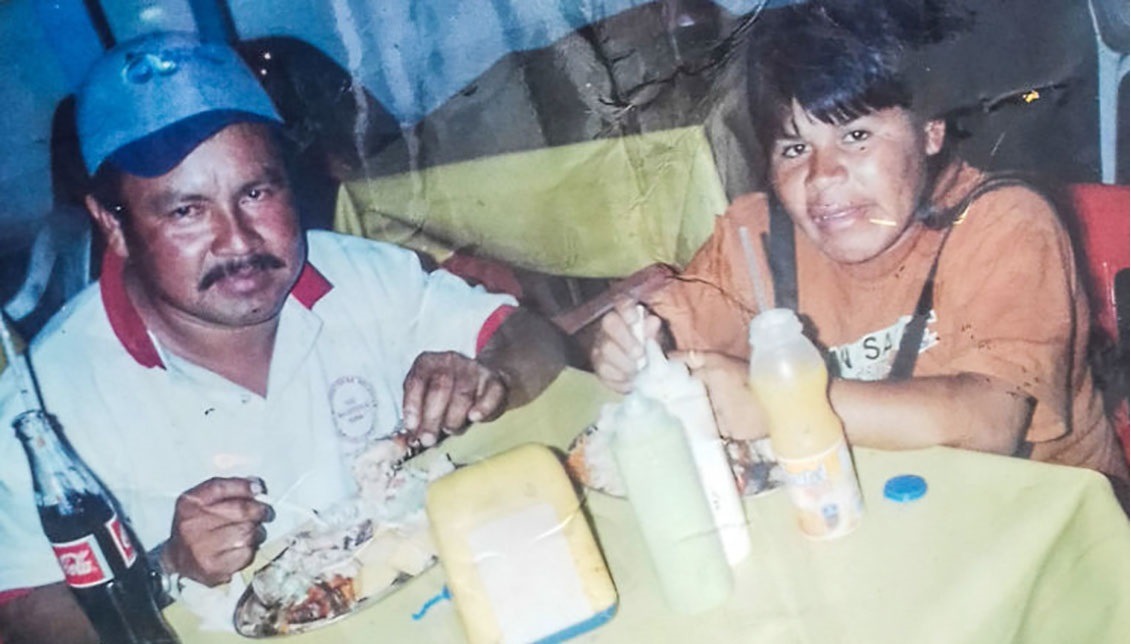
Zoraida Rodriguez, a 45-year-old indigenous woman who was preparing empanadas to sell to travelers, was in her kitchen when she heard the first shots. She went outside to check on the situation with her husband Rolando Garcia, a 52-year-old tour guide, and other community residents.
The Violence Peak (6:00 - 6:30 am):
Witnesses agree that the indigenous people approached the military vehicles unarmed to talk and find out the soldiers' intentions. However, the soldiers responded by firing directly at the civilian population. Zoraida Rodriguez was the first victim, shot three times in the chest while standing in front of her home.
Rolando Garcia, seeing his wife wounded, ran to help her and was also hit by gunfire, suffering serious injuries to his abdomen. Other members of the community who tried to help the victims were also attacked with long guns.
The Attack Continues (6:30 - 7:00 am):
Military personnel pursued the fleeing indigenous people, firing indiscriminately at homes and areas of refuge. Kliver Perez, Rolando Garcia's cousin, was seriously injured during this phase of the attack. Onesimo Fernandez suffered a spinal cord injury that left him paraplegic for life.
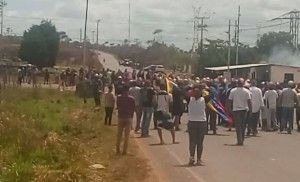
The military used not only firearms but also tear gas bombs, which particularly affected children and elderly people who were sheltering in their homes. The immediate toll was one person dead (Zoraida Rodriguez) and more than sixteen wounded, several of them in critical condition.
The community answer (7:00 - 12:00 pm):
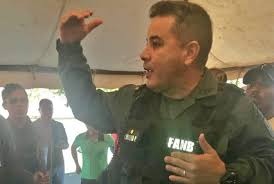
In response to the attack, members of the community managed to detain 27 military personnel, including Brigadier General Jose Miguel Montoya Rodriguez, Commander of the National Guard in Bolivar state. The aim of this action was to exert pressure to obtain guarantees that there would be no further attacks and to demand medical attention for the wounded
The Wounded Transfer (12:00 pm – 6 pm)
The most seriously injured were initially taken to the makeshift clinic in Kumarakapay, which lacked the resources to treat gunshot wounds. Some were later transferred to the Rosa Vera Zurita Hospital in Santa Elena de Uairen, while the most critical cases were taken to the Roraima General Hospital in Boa Vista, Brazil.
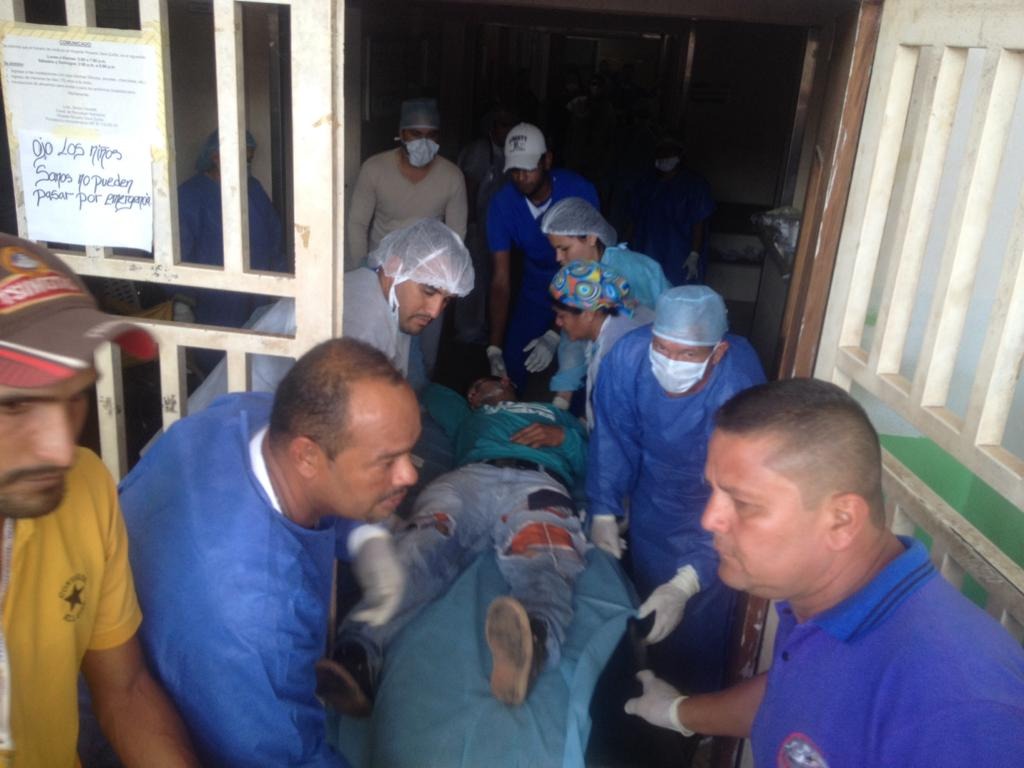
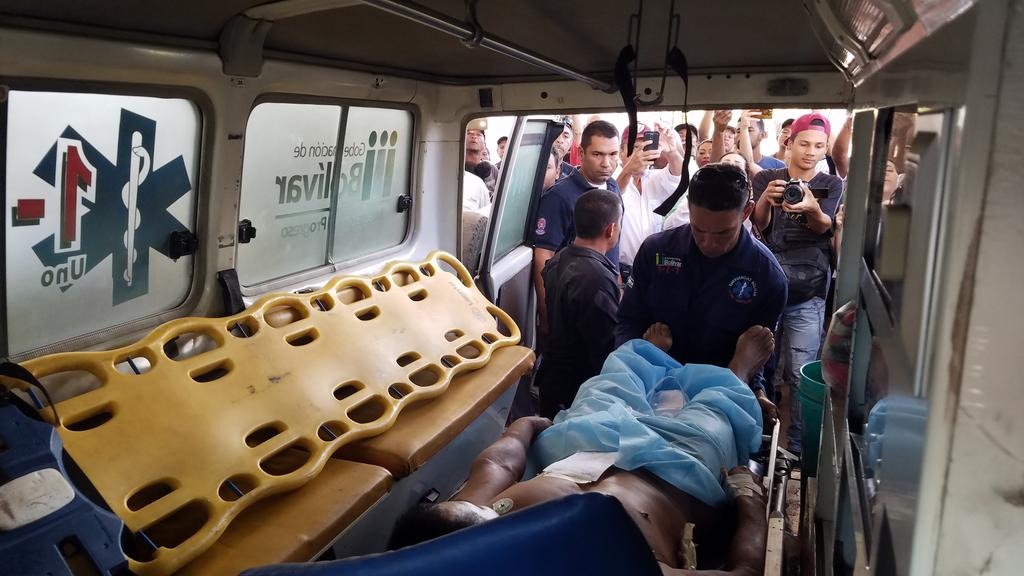
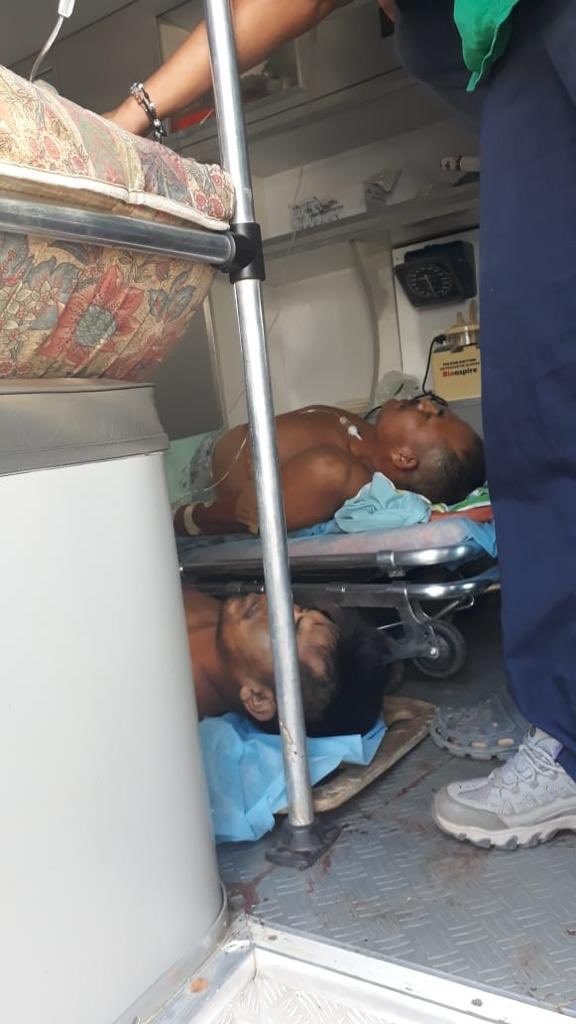
February 23 of 2019
The Conflict expand to Santa Elena de Uairen:
On February 23, protests spread to Santa Elena de Uairen, where the population demonstrated in solidarity with the victims of Kumarakapay and in support of humanitarian aid. The military response was immediate and brutal.
The Bolivarian National Guard opened fire on unarmed protesters in various parts of the city, including the Cuatro Esquinas neighborhood and the vicinity of the National Guard headquarters. Jose Elsy Perez Marquez, a 20-year-old Pemon youth, was killed during these repressions.
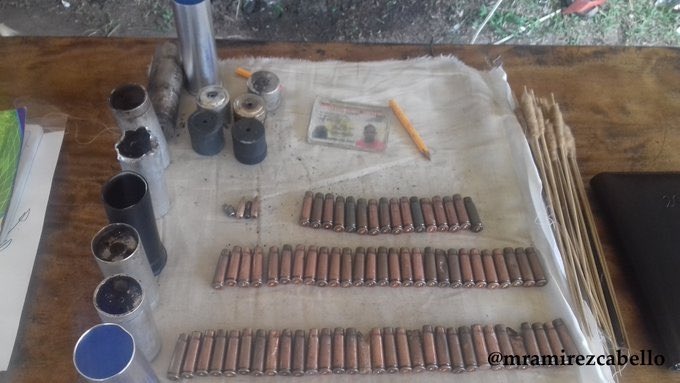
The result of February 23 protest:
The second day of violence left three more people dead: Jose Hernandez, 25, Jose Barrios, 22, and Jose Elsy Perez Marquez, 20. In addition, 57 people were injured and 62 were arbitrarily arrested, including 16 Pemon indigenous people.
Extension of the conflict from 24 of February to 4 of march 2019
Dead of critical wounded:
In the days that followed, several of those critically injured died in hospitals. Kliver Perez died on February 27 at the Boa Vista hospital. Rolando Garcia died on March 2 at the same hospital, separated from his children who had fled for safety.
On March 3, Jorge Gonzalez, 41, a native of Upata, died after being shot in the head during the February 23 demonstrations in Santa Elena de Uairen. On March 10, 2020, almost a year later, Onesimo Fernandez died due to complications from the spinal cord injury he suffered during the initial attack.
The victims and those responsible
victims:
The victims of the massacre have a homogeneous demographic profile: they were mainly inhabitants of the Pemon community of Kumarakapay, aged between 18 and 52, engaged in traditional economic activities such as tourism, subsistence agriculture, and small-scale trade.
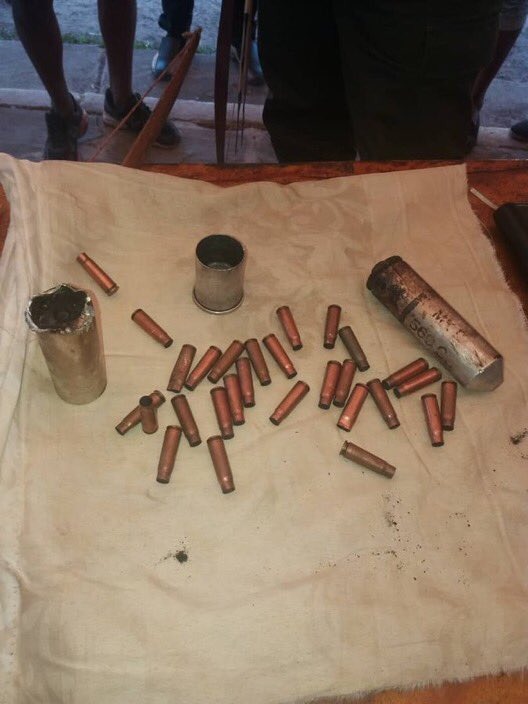
Zoraida Rodriguez, 45, was a mother who sold empanadas to travelers passing through Troncal 10. A member of the Adventist Church, she actively participated in morning family services and was known in the community for her hard work and peaceful nature.
Rolando Garcia, 52, worked as a tour guide specializing in excursions to the Roraima tepui. Originally from Brazil but naturalized Venezuelan through his marriage to Zoraida, he was respected for his knowledge of the territory and his commitment to environmental preservation.
Kliver Perez, 24, Rolando Garcia's cousin, was a young farmer who worked on the family farm and occasionally as an assistant guide on tourist excursions. He was married to Melanie and represented the new generation of community leaders.
Jose Elsy Perez Marquez, 20, was a young student and active member of the Pemon Territorial Guard. His murder during the February 23 demonstrations in Santa Elena de Uairen illustrates the geographic extent of military repression.
Onesimo Fernandez suffered a spinal cord injury that left him paraplegic during the attack on February 22. Despite medical efforts in Brazil, his health progressively deteriorated until his death in March 2020, making his case an example of the long-term consequences of state violence.
Several other members of the community suffered injuries that left them with permanent sequelae, including lameness and functional limitations that affected their ability to carry out traditional economic activities.
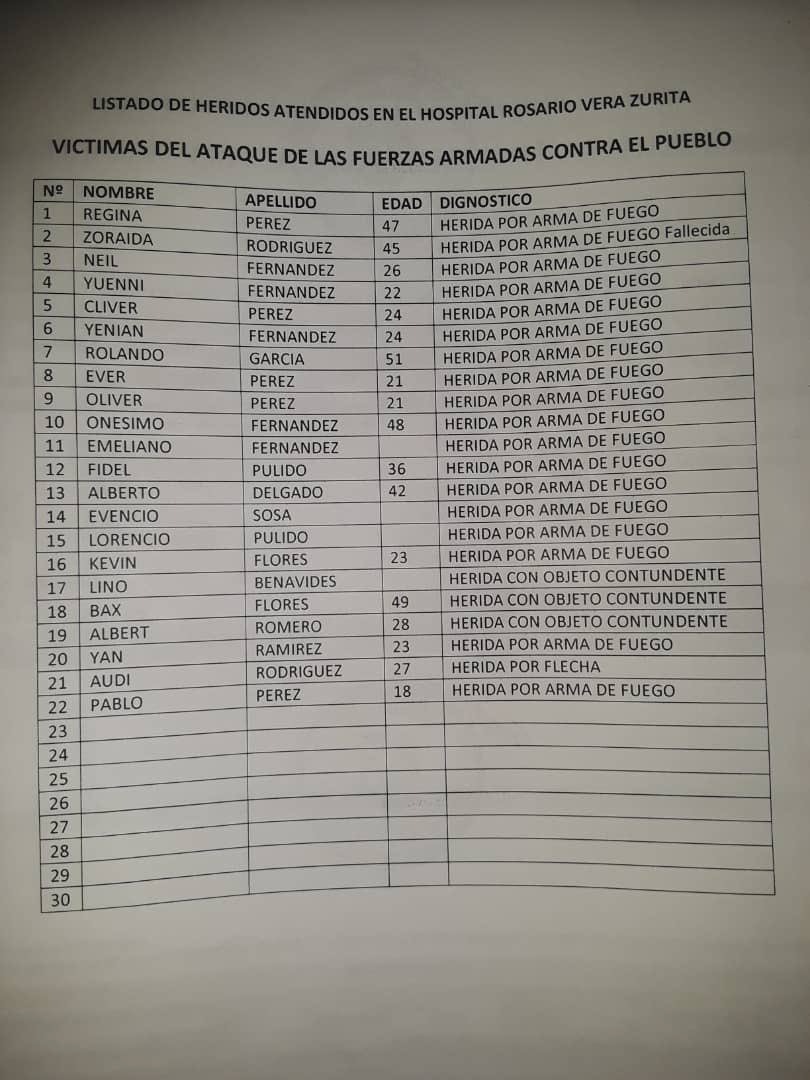
Perpetrators:
Those directly responsible for the massacre belonged to the Bolivarian Army and the Bolivarian National Guard, which were part of the border closure operation ordered by Nicolas Maduro. Brigadier General Jose Miguel Montoya Rodriguez, Commander of the National Guard in Bolivar, was identified as the highest-ranking officer present during the events.
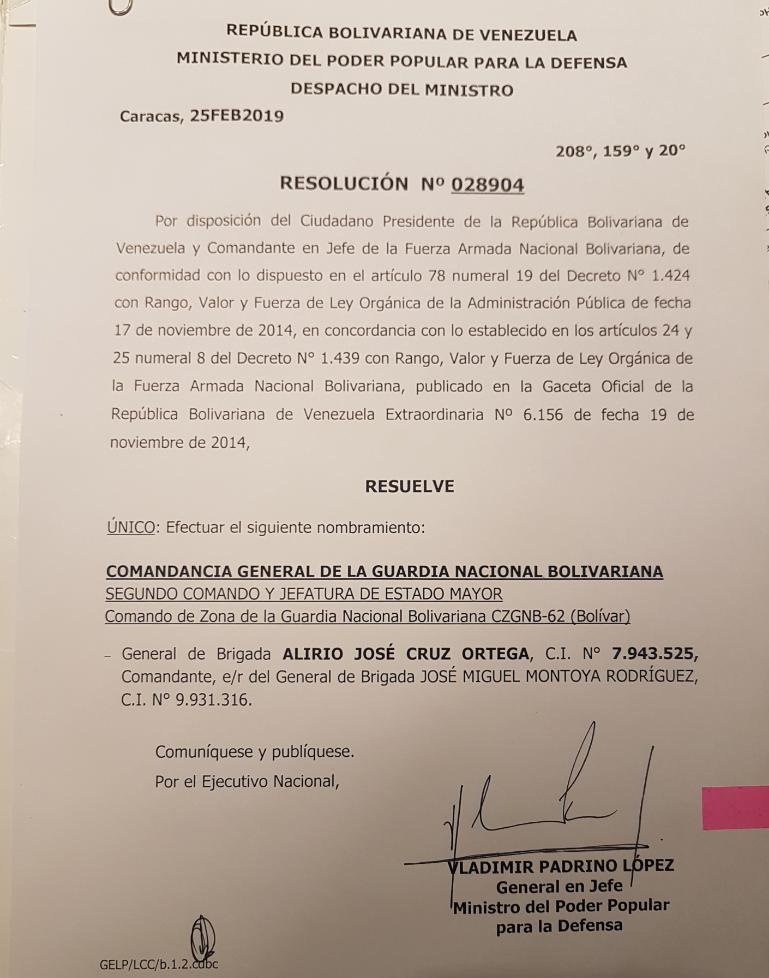
Command responsibility extends to the upper levels of the military chain of command, including Defense Minister Vladimir Padrino Lopez and Nicolas Maduro himself as Commander-in-Chief of the Armed Forces, who had ordered the closure of the borders and the prevention of humanitarian aid from entering by any means necessary.
Conclusions
The Kumarakapay massacre of February 22, 2019 represents a turning point in relations between the Venezuelan state and indigenous peoples, marking the beginning of a phase of systematic repression that has characterized the subsequent years. The event reveals multiple structural flaws in the Venezuelan political system, including the absence of effective mechanisms for the protection of human rights, the growing militarization of public administration, and the instrumentalization of the humanitarian crisis for purposes of territorial control.
A detailed analysis of the events shows that the massacre was not the result of a spontaneous confrontation, but rather a planned military operation aimed at breaking indigenous resistance to state control over their ancestral territories. The use of weapons of war against an unarmed civilian population, the persecution of the wounded in their homes, and the subsequent implementation of a regime of terror through night raids confirm the systematic nature of the violence employed.
The long-term consequences of the massacre transcend the local sphere, setting a precedent of impunity that has facilitated the repetition of similar patterns of violence in other indigenous regions of the country. The forced displacement of more than 1,500 people constitute a form of ethnic cleansing that has permanently altered the demographic composition of the region, facilitating the subsequent implementation of extractive projects in ancestral territories.
The international response to the event, although symbolically important through precautionary measures by the Inter-American Commission on Human Rights, has been insufficient to bring about effective changes in the protection of Venezuela's indigenous peoples. The persistence of impunity five years after the events confirms the need for more robust international mechanisms for the protection of vulnerable populations in contexts of authoritarianism.
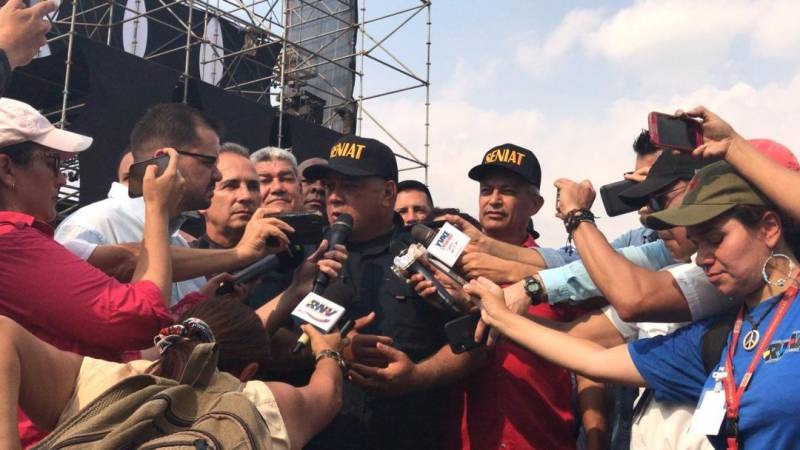
Diosdado Cabello (The second on board of Maduro Regime) Declares on 25 february “Regarding the events that took place in Kumarakapay, we have information that it was a false positive, and it has been proven that the Bolivarian National Guard (GNB) did not participate in the act “
The memory of the victims of Kumarakapay lives on in indigenous communities as a symbol of resistance against state oppression, but also as a reminder of the fragility of their rights in the current political context. The struggle for justice remains one of the main challenges for the Venezuelan indigenous movement, requiring both action at the national level and sustained support from the international community.
Finally, the Kumarakapay massacre should be understood not as an isolated event, but as part of a broader pattern of human rights violations that characterizes the regime of Nicolás Maduro.
Investigator’s Note
This report is based entirely on open-source intelligence (OSINT). No classified information was accessed. No confidential sources were used. Everything documented here is publicly available — if you know where to look.
The significance lies not in secret revelations, but in connecting the dots: showing how the militarization of the Gran Sabana, the blockade of humanitarian aid, the attack on the Pemon community, and the forced displacement into Brazil form part of one coherent pattern of repression.
That pattern is designed to break indigenous autonomy, suppress dissent, and consolidate authoritarian control over strategic border and mining territory. And its consequences are still visible today in the communities affected by Kumarakapay.